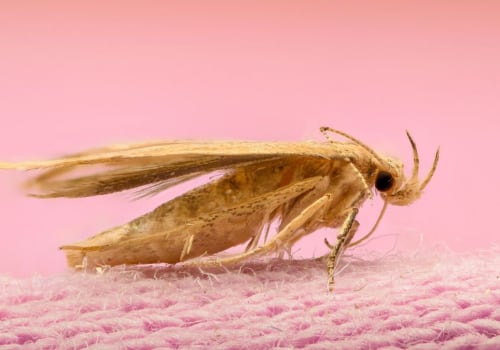
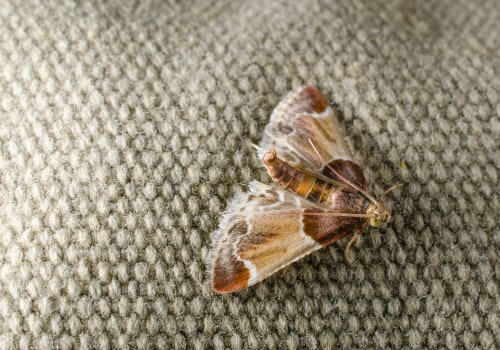
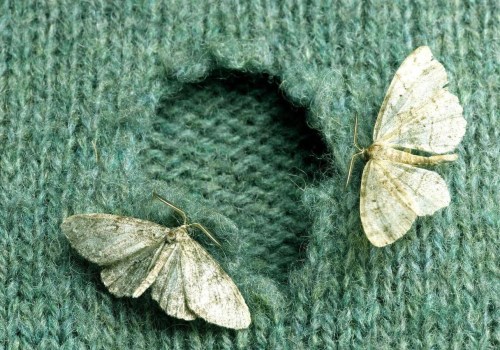
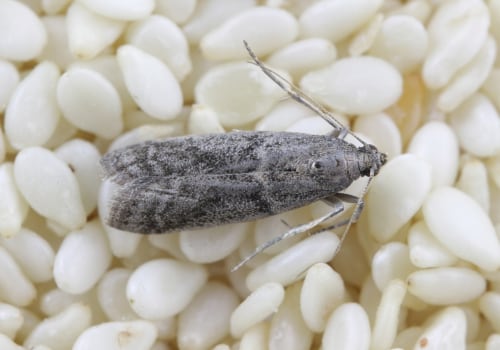
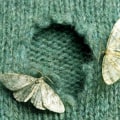
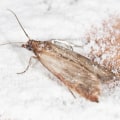
Moth infestations can be a significant concern for homeowners, often leading to damage of clothing, fabrics, and stored goods. Understanding what moths are and the types that commonly invade our living spaces is essential for effective management and prevention. Moths belong to the order Lepidoptera, which also includes butterflies, and they are characterized by their scaly wings and nocturnal habits. While there are over 160,000 species of moths worldwide, only a few are known to cause problems in homes.The most common types of moths that lead to infestations include the clothes moth (Tineola bisselliella) and the pantry moth (Plodia interpunctella).
Clothes moths are notorious for feeding on natural fibers found in clothing, upholstery, and carpets, while pantry moths target stored food products such as grains, cereals, and dried fruits. Recognizing these specific types can help you tailor your approach to eradication.Identifying the signs of a moth infestation is crucial for timely intervention. Look for small holes in clothing or fabric, which may indicate that clothes moth larvae have been feeding. In the case of pantry moths, you might notice webbing in food containers or clumps of larvae in your pantry. Clothes moths are notorious for feeding on natural fibers found in clothing, upholstery, and carpets, while pantry moths target stored food products such as grains, cereals, and dried fruits. Recognizing these specific types can help you tailor your approach to eradication.Identifying the signs of a moth infestation is crucial for timely intervention. Look for small holes in clothing or fabric, which may indicate that clothes moth larvae have been feeding. In the case of pantry moths, you might notice webbing in food containers or clumps of larvae in your pantry.
Additionally, adult moths are often seen fluttering around light sources at night. By being vigilant and aware of these signs, you can take proactive measures to address a potential infestation before it escalates.In summary, understanding the nature of moth infestations, including the types of moths that invade homes and the signs they leave behind, is vital for effective pest control. This knowledge empowers homeowners to act swiftly and decisively against these unwelcome intruders.
The Lifecycle of Moths
Understanding the lifecycle of moths is crucial for effectively managing and eliminating moth infestations. Moths undergo a complete metamorphosis, which includes four distinct stages: egg, larva, pupa, and adult.Each stage presents unique challenges and opportunities for treatment.
1.Egg Stage
The lifecycle begins when female moths lay their eggs, typically in hidden areas where food sources are abundant. Depending on the species, a single female can lay anywhere from 40 to 300 eggs at a time. These eggs are often tiny and can be difficult to spot, making them a significant factor in the persistence of moth infestations. The eggs usually hatch within a week or two, depending on environmental conditions such as temperature and humidity.
2.Larval Stage
Once the eggs hatch, they release larvae, commonly known as caterpillars.
This stage is particularly critical because the larvae are the ones that cause damage to fabrics and stored goods. Moth larvae are voracious eaters and will consume natural fibers like wool, silk, and cotton, as well as grains and other food products. This stage can last several weeks to months, depending on the species and environmental conditions. During this time, they grow rapidly and may molt several times before entering the next stage.
3.Pupal Stage
After reaching maturity, the larvae will seek out a safe place to pupate.
In this stage, they form a protective casing around themselves called a cocoon or chrysalis. This stage can last from a few days to several months, depending on the species and environmental factors. It is during this time that they undergo significant transformation into adult moths.
4.Adult Stage
Finally, the adult moth emerges from its cocoon ready to mate and continue the cycle. Adult moths typically have a short lifespan ranging from a few weeks to several months.
They do not feed in the same way larvae do; instead, their primary focus is reproduction. Understanding this lifecycle is essential for targeting treatments effectively—addressing the larval stage with appropriate chemical treatments can significantly reduce future populations.By recognizing each stage of the moth lifecycle, homeowners can implement timely interventions that disrupt this cycle and help prevent moth infestations from taking hold in their homes.
Identifying Moth Infestations in Your Home
Identifying a moth infestation in your home is crucial for taking timely action to prevent further damage. Moths can be elusive, often hiding in dark corners and crevices, making it essential to know the signs of their presence.One of the most common areas where moths thrive is in closets, particularly those containing clothing made from natural fibers such as wool, silk, and cotton. Here are some key indicators of a moth infestation:- Visible Moths: Adult moths are typically small, measuring about 1/2 inch long, and have a wingspan that can reach up to 1 inch.
They are often gray or brown with a distinctive pattern on their wings. Spotting these insects fluttering around your closet or pantry is a clear sign of an infestation.
- Larvae: Moth larvae are often found in the same areas as adult moths. They are small, caterpillar-like creatures that can be white or cream-colored and may be covered in a fine layer of silk. Finding these larvae is a strong indication that moths are breeding in your home.
- Webbing: Moth larvae create silk webbing as they feed and grow.
This webbing can often be found on clothing, inside storage boxes, or even on food items. If you notice this sticky substance, it’s time to investigate further.
- Damage to Fabrics: Look for holes or irregular patches in your clothing, especially in woolen garments or blankets. Moths feed on the fibers, leading to significant damage over time. If you find small holes or frayed edges, it’s likely that moths have been at work.
- Food Contamination: Pantry moths can infest stored food items such as grains, cereals, and dried fruits.
Signs include webbing inside food packages or clumps of food that appear to be contaminated. If you notice any of these signs, check for moths immediately.
Chemical Treatments for Moth Infestations
When it comes to tackling a moth infestation, chemical treatments are often the most effective solution.These treatments are specifically designed to target both adult moths and their larvae, ensuring a comprehensive approach to eradication. Below, we explore various types of chemical treatments available for moth infestations, focusing on their effectiveness and application.
Types of Insecticides
Insecticides are the primary chemical treatments used to combat moth infestations. They come in several forms, each with its unique advantages:- Sprays: These are liquid formulations that can be applied directly to areas where moths are present. They work quickly to kill adult moths on contact and can penetrate fabrics to target larvae hidden within.
- Dusts: Insecticidal dusts are ideal for treating cracks and crevices where moths may hide.
They adhere to surfaces and remain effective for an extended period, providing ongoing protection against reinfestation.
- Foggers: Also known as total release aerosols, foggers disperse insecticide in a fine mist throughout an area. This method is particularly useful for larger spaces or when dealing with severe infestations, as it can reach areas that sprays may miss.
Effectiveness Against Moths
The effectiveness of these chemical treatments largely depends on the life stage of the moth being targeted. Adult moths are less susceptible to insecticides since they do not feed; however, targeting the larvae is crucial as they are the ones causing damage to fabrics and food sources. Most insecticides are formulated to disrupt the growth and development of larvae, effectively preventing them from maturing into adults.Best Products for Moth Infestations
When selecting products for treating a moth infestation, consider those that have been specifically designed for this purpose.Some highly recommended options include:
- Pyrethrin-based sprays: These natural insecticides derived from chrysanthemum flowers are effective against a wide range of insects, including moths. They work quickly and have a low toxicity level for humans and pets.
- Boric acid dust: This product is effective against moth larvae and can be applied in areas where they are likely to hide. It works by dehydrating the insects upon contact.
- Pheromone traps:Pheromone traps: While not insecticides in the traditional sense, these traps use synthetic pheromones to attract male moths, disrupting their mating cycle and reducing future populations.
Types of Chemical Treatments Available
When it comes to tackling a moth infestation, understanding the various types of chemical treatments available is crucial for effective eradication.Each treatment method has its unique application, effectiveness, and safety considerations. Below, we break down the primary forms of chemical treatments: sprays, powders, and foggers.
Insecticide Sprays
Insecticide sprays are one of the most popular choices for controlling moth populations. These products are designed to kill moths on contact and can penetrate into cracks and crevices where moths may hide. They typically contain active ingredients that disrupt the nervous system of the insects, leading to their demise.- Application: Sprays are best used in areas where moth activity is evident, such as closets, pantries, and storage areas.
Ensure that you spray directly onto surfaces where moths are likely to land or lay eggs.
- Safety: Always follow the manufacturer's instructions regarding application rates and safety precautions. It’s advisable to wear gloves and a mask during application to avoid inhalation or skin contact.
Powders for Moth Control
Powdered insecticides offer another effective solution for moth infestations. These products work by adhering to the bodies of moths and larvae, disrupting their ability to move and feed. Powders can be particularly useful in hard-to-reach areas where sprays may not be effective.- Application: Apply powders in areas such as behind furniture, inside closets, and along baseboards.
A light dusting is often sufficient; over-application can lead to waste and potential health risks.A light dusting is often sufficient; over-application can lead to waste and potential health risks.
- Longevity: Powders tend to remain effective longer than sprays, making them a good choice for ongoing protection against future infestations.
Foggers for Moths
Foggers, also known as total release aerosols, are another powerful option for dealing with severe moth infestations. These devices release a fine mist of insecticide that can penetrate deep into fabrics and other materials where moths may be hiding.- Application: Foggers are ideal for large areas or when dealing with extensive infestations. Before using a fogger, ensure that all people and pets are removed from the area, and cover any food or surfaces that could come into contact with the insecticide.
- Effectiveness: Foggers can provide comprehensive coverage but should be used as part of an integrated pest management strategy that includes cleaning and preventive measures.
Always prioritize safety by following product instructions closely and taking necessary precautions during application.
Using Pheromone Traps as a Chemical Treatment
Pheromone traps are an innovative and effective method for controlling moth infestations. These traps utilize the natural chemical signals, or pheromones, that moths release to communicate with one another. By mimicking these scents, pheromone traps can attract male moths, effectively disrupting their mating cycle and reducing the overall population.How Pheromone Traps Work
The mechanism behind pheromone traps is relatively straightforward. Each trap contains a synthetic version of the female moth's pheromone, which is designed to lure male moths into the trap.Once the male moths enter, they become stuck to a sticky surface inside the trap, preventing them from escaping. This not only helps to decrease the number of mating pairs but also reduces the likelihood of future infestations.
Effectiveness of Pheromone Traps
Pheromone traps are particularly effective in monitoring and controlling moth populations. They serve a dual purpose: not only do they capture adult male moths, but they also provide valuable information about the level of infestation in a given area. By regularly checking these traps, homeowners can gauge whether their pest control efforts are working or if further action is needed.While pheromone traps are not a standalone solution for severe infestations, they can be an integral part of a comprehensive pest management strategy.When used in conjunction with other methods, such as insecticides or natural repellents, they can significantly enhance the effectiveness of your overall approach to controlling moths.
Best Practices for Using Pheromone Traps
- Placement: Position traps in areas where moth activity is suspected, such as closets, pantries, and storage areas.
- Regular Monitoring: Check traps frequently to assess moth activity and replace them as needed to maintain effectiveness.
- Combine Methods: Use pheromone traps alongside other treatments for a more robust approach to managing moth infestations.
Safety Precautions When Using Chemical Treatments
When dealing with chemical treatments for moth infestations, safety should always be your top priority. These products can be effective in eliminating pests, but they can also pose risks to humans and pets if not handled properly.Here are some essential safety precautions to consider when using insecticides and other chemical treatments in your home.
Read Product Labels Thoroughly
Before applying any chemical treatment, it is crucial to read the product label carefully. The label contains important information regarding:- Active ingredients: Understanding what chemicals are present can help you assess potential risks.
- Application instructions: Follow the recommended methods for application to ensure effectiveness and safety.
- Safety precautions: Look for specific warnings about exposure to humans and pets.
Wear Protective Gear
To minimize exposure to harmful chemicals, always wear appropriate protective gear when handling insecticides. This may include:- Gloves: Use chemical-resistant gloves to protect your skin from direct contact with the insecticide.
- Mask or respirator: A mask can help filter out harmful vapors and prevent inhalation of toxic particles.
- Goggles: Protect your eyes from splashes or sprays that could cause irritation or injury.
Ensure Proper Ventilation
When applying chemical treatments indoors, ensure that the area is well-ventilated. Open windows and doors to allow fresh air to circulate, which helps dissipate any harmful fumes.If possible, use fans to improve airflow and reduce the concentration of chemicals in the air.
Keep Pets and Children Away
Before applying any chemical treatment, remove pets and children from the area. It is advisable to keep them away until the treated surfaces are completely dry and any lingering odors have dissipated. This precaution helps prevent accidental exposure to harmful substances.Store Chemicals Safely
After using chemical treatments, store them in a secure location out of reach of children and pets. Ensure that containers are tightly sealed and labeled clearly.Avoid storing chemicals in areas prone to temperature fluctuations, such as garages or attics, as this can affect their efficacy.By following these safety precautions, you can effectively manage moth infestations while minimizing risks associated with chemical treatments. Always prioritize safety to protect yourself, your family, and your pets while ensuring a pest-free environment.
Combining Chemical Treatments with Other Methods
When it comes to effectively managing a moth infestation, relying solely on chemical treatments may not always yield the best results. Integrating these treatments with natural methods can create a more holistic approach to pest control, enhancing the overall effectiveness and sustainability of your efforts.One of the primary benefits of combining chemical treatments with natural methods is that it allows for a multi-faceted strategy. This approach not only targets the immediate problem but also addresses the underlying factors that contribute to moth infestations. , relying solely on chemical treatments may not always yield the best results. Integrating these treatments with natural methods can create a more holistic approach to pest control, enhancing the overall effectiveness and sustainability of your efforts.One of the primary benefits of combining chemical treatments with natural methods is that it allows for a multi-faceted strategy. This approach not only targets the immediate problem but also addresses the underlying factors that contribute to moth infestations.Here are some effective techniques for integrating both methods:
- Use Chemical Treatments as a First Line of Defense: Start with targeted chemical treatments to quickly reduce the existing moth population. Insecticides can effectively eliminate adult moths and larvae, providing immediate relief from an infestation.
- Follow Up with Natural Repellents: After applying chemical treatments, incorporate natural repellents such as essential oils (e.g., lavender, cedarwood, or peppermint). These oils can be used in diffusers or diluted in water and sprayed around affected areas to deter moths from returning.
- Implement Preventative Measures:Implement Preventative Measures: Utilize natural deterrents like cedar blocks or sachets filled with dried lavender in closets and storage areas. These not only repel moths but also add a pleasant fragrance to your home.
- Regular Cleaning and Maintenance: Maintain a clean environment by regularly vacuuming carpets, rugs, and upholstery where moths may lay eggs.
This practice complements chemical treatments by removing potential breeding grounds.
- Monitor with Traps: Use pheromone traps alongside chemical treatments to monitor moth activity. These traps attract male moths, helping to reduce mating and further infestations while providing insight into the effectiveness of your combined strategies.
Preventing Future Moth Infestations
Once you have successfully dealt with a moth infestation, it is crucial to implement effective strategies to prevent future occurrences.Moths can be persistent pests, and without proper precautions, they can quickly return. Here are some practical tips to help you avoid moth problems in the future:
- Proper Storage of Clothing and Fabrics: Store seasonal clothing in airtight containers or vacuum-sealed bags. This not only protects your clothes from moths but also from moisture and mildew. Use plastic bins with tight-fitting lids instead of cardboard boxes, as moths can easily penetrate cardboard.
- Regular Cleaning: Maintain a regular cleaning schedule for your home, especially in areas where moths are likely to hide, such as closets, attics, and basements.
Vacuum carpets, rugs, and upholstery frequently to remove any eggs or larvae that may be present.
- Use Moth Repellents: Consider using natural repellents like cedarwood blocks or lavender sachets in your closets and drawers. These not only deter moths but also leave a pleasant scent. You can also use essential oils diluted in water as a spray to keep moths at bay.
- Monitor Food Storage: Moths are not just attracted to fabrics; they can also infest food items. Store grains, cereals, and dried fruits in airtight containers to prevent pantry moths from accessing them.
Regularly check for signs of infestation in your pantry.
- Seal Entry Points: Inspect your home for any cracks or gaps where moths could enter. Seal windows and doors properly and consider using screens to keep them out. Pay attention to vents and chimneys as well.
- Regular Inspections: Conduct periodic inspections of your home for signs of moth activity. Look for webbing, larvae, or adult moths in hidden areas.
Early detection can help you address any potential issues before they escalate.
Conclusion: Taking Control of Moth Infestations with Chemical Treatments
In conclusion, effectively managing a moth infestation requires a comprehensive understanding of both chemical treatments and preventive measures. Throughout this article, we have explored various chemical solutions that can help eliminate moths and their larvae, ensuring that your home remains free from these destructive pests.One of the most critical takeaways is the importance of targeting the moth larvae, as they are the primary culprits behind the damage to clothing and stored goods. By utilizing insecticides specifically designed for moth control, you can significantly reduce the population of these pests.Options such as sprays, powders, and foggers are readily available and can be effective when applied correctly.Additionally, pheromone traps serve as a valuable tool in your arsenal against moth infestations. These traps not only help monitor moth activity but also play a crucial role in disrupting the mating cycle of adult moths, thereby preventing future infestations.However, while chemical treatments can provide immediate relief, it is essential to combine them with preventive strategies to ensure long-term success. Regular cleaning and proper storage of clothing and food items can significantly reduce the likelihood of a resurgence. Consider using natural repellents like essential oils or cedar products as part of your prevention plan.Moreover, safety should always be a priority when using chemical treatments.
Following manufacturer instructions and taking necessary precautions will help protect you and your family from potential hazards associated with these products.Ultimately, taking control of a moth infestation involves a proactive approach that includes understanding the various treatment options available and implementing effective preventive measures. By doing so, you can safeguard your home from these unwelcome pests and enjoy peace of mind knowing that your living space is protected.