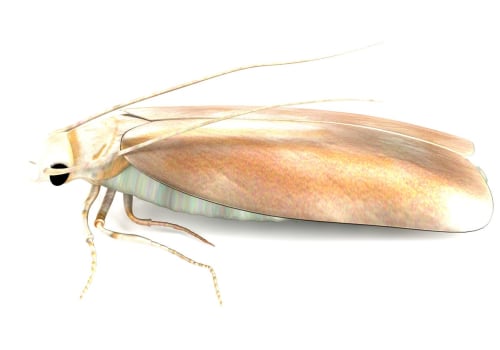
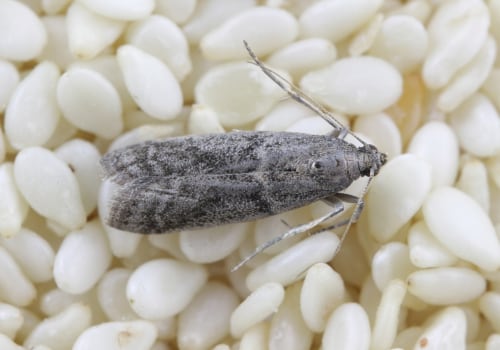
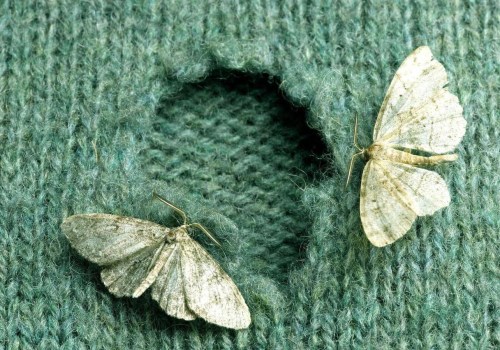
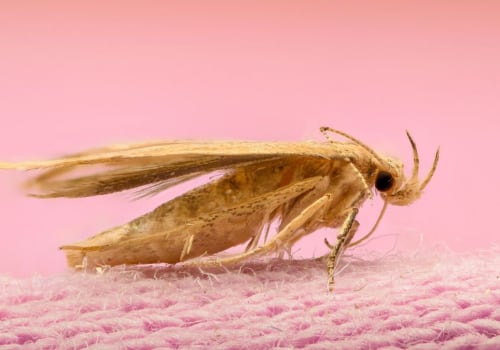
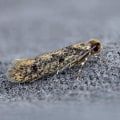
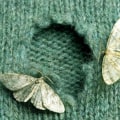
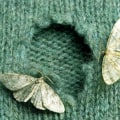
When it comes to household pests, few are as insidious as clothes moths. These tiny insects, often overlooked due to their size, can cause significant damage to your wardrobe and other fabric-based items in your home. Understanding the nature of a moth infestation is crucial for effective prevention and control. Clothes moths, primarily the Webbing Clothes Moth and the Casemaking Clothes Moth, thrive in environments where natural fibers are present, making your closets and storage areas prime targets for their destructive habits.The life cycle of clothes moths begins with the female laying eggs on or near suitable food sources, such as wool, silk, or fur.
Once hatched, the larvae emerge and begin to feed voraciously on these materials, leading to unsightly holes and irreparable damage. Unlike other pests that may be more visible or aggressive, clothes moths operate quietly and stealthily, often going unnoticed until significant damage has occurred. This behavior makes it essential for homeowners to be vigilant and proactive in identifying signs of an infestation.Moreover, the presence of clothes moths is not just a matter of aesthetics; it can also indicate underlying issues within your home. Factors such as poor ventilation, high humidity, and cluttered storage spaces can create an inviting environment for these pests.
Understanding these dynamics is key to not only addressing an existing infestation but also preventing future occurrences. By recognizing the signs of a moth problem early on—such as finding larvae or webbing in your clothing—you can take immediate action to protect your belongings.In this article, we will explore various natural solutions to combat clothes moth infestations effectively. By utilizing herbs known for their repellent properties, you can create a safer environment for your fabrics while avoiding harsh chemicals that may pose risks to your health and home. With the right knowledge and tools at your disposal, you can reclaim your space from these unwelcome guests.
The Impact of Clothes Moths on Your Wardrobe
Clothes moths, particularly the Webbing Clothes Moth and the Casemaking Clothes Moth, are notorious for their destructive feeding habits.These tiny pests primarily target natural fibers, leading to significant damage to your wardrobe and household items. Understanding the specific types of damage they can inflict is crucial for effective prevention and treatment.One of the most common consequences of a moth infestation is the creation of holes in clothing. Moths are drawn to fabrics made from wool, silk, cashmere, and other animal fibers. They feed on these materials, leaving behind unsightly holes that can ruin your favorite garments.
The larvae are particularly voracious, capable of consuming large amounts of fabric in a short period.In addition to holes, moths can also cause discoloration and weakening of fabrics. As they feed, they not only remove fibers but also alter the fabric's structure, making it more susceptible to tearing and fraying. This damage can be especially detrimental to delicate items such as evening gowns or heirloom pieces that require special care.The impact of moths extends beyond clothing; they can also damage household textiles such as:
- Carpets: Moths can infest wool carpets, leading to bald patches and weakened areas that may require costly repairs or replacement.
- Upholstery: Furniture covered in natural fibers is at risk as well. Moths can create unsightly damage that detracts from the overall appearance of your home.
- Bedding: Infestations in bedding can lead to health concerns, as moth larvae may leave behind droppings that can trigger allergies or respiratory issues.
Replacing damaged clothing and textiles can be expensive, especially if you own high-quality or designer items. Furthermore, the emotional toll of losing cherished garments can be significant.To mitigate these risks, it is essential to adopt preventive measures and treatment options promptly. Regularly inspecting your wardrobe and household textiles for signs of moth activity—such as webbing or larvae—can help catch infestations early. Additionally, employing natural repellents like herbs or essential oils can create an unwelcoming environment for these pests.In summary, understanding the impact of clothes moths on your wardrobe is vital for protecting your belongings.
By recognizing the types of damage they cause and taking proactive steps, you can safeguard your fabrics from these destructive insects.
Natural Repellents: An Overview
As the awareness of environmental issues grows, many individuals are seeking natural moth repellents as a viable alternative to traditional chemical pest control methods. These natural solutions not only help in managing moth infestations but also align with a broader commitment to sustainability and health-conscious living.One of the primary benefits of using herbal repellents is their safety profile. Unlike chemical pesticides, which can contain harmful substances that pose risks to human health and the environment, natural repellents are generally non-toxic. This makes them an ideal choice for households with children, pets, or individuals with sensitivities to chemicals.Furthermore, many natural repellents are derived from plants that have been used for centuries in various cultures for their pest-repelling properties.Another significant advantage of herbal repellents is their pleasant aroma. Many herbs, such as lavender and rosemary, not only deter moths but also impart a fresh scent to your living spaces. This dual functionality enhances the overall ambiance of your home while keeping unwanted pests at bay.In addition to being safe and aromatic, natural moth repellents are often more cost-effective in the long run. While some chemical solutions may require repeated applications and can be expensive, herbs can be grown at home or purchased in bulk at a lower cost.
Simple DIY methods, such as creating sachets or sprays from dried herbs, allow homeowners to customize their pest control strategies without breaking the bank.The growing trend towards eco-friendly pest control solutions reflects a shift in consumer preferences. More people are recognizing the importance of protecting not just their homes but also the planet. By opting for natural repellents, individuals contribute to reducing chemical runoff and pollution associated with synthetic pesticides.In summary, the benefits of using natural moth repellents extend beyond mere pest control. They offer a safe, effective, and environmentally friendly alternative to chemical solutions.
As we continue to seek ways to live sustainably, embracing herbal remedies for pest management is a step towards a healthier home and planet.
Top Herbs for Repelling Clothes Moths
When it comes to combating moth infestations, certain herbs have proven to be particularly effective in repelling these pesky insects. Below, we explore some of the top herbs known for their moth-repelling properties, detailing their unique characteristics and how to use them effectively.Lavender
Lavender is perhaps the most well-known herb for repelling clothes moths. Its strong, pleasant aroma is not only soothing for humans but also acts as a natural deterrent for moths. The active compound in lavender, linalool, is toxic to moths while remaining safe for humans and pets.- How to Use: You can create sachets filled with dried lavender flowers and place them in your closets, drawers, or storage boxes.
Alternatively, make a lavender spray by steeping dried lavender in hot water, straining it, and transferring it to a spray bottle. This can be lightly misted on clothing and fabrics.
Rosemary
Another powerful herb against moths is rosemary. Known for its culinary uses, rosemary also contains camphor, which has insecticidal properties that help keep moths at bay. Its strong scent is unappealing to these pests, making it an excellent choice for natural pest control.- How to Use: Similar to lavender, you can use dried rosemary in sachets or create a spray by boiling fresh or dried rosemary in water.
This infusion can be used on fabrics and stored items to deter moths.
Thyme
Thyme is not only a flavorful herb but also an effective natural repellent against clothes moths. Its pungent aroma is disliked by many insects, including moths. Thyme contains essential oils that contribute to its insect-repelling properties.- How to Use: You can use dried thyme in sachets or mix it with other herbs for a more potent blend. Additionally, thyme essential oil can be diluted with water and sprayed around areas prone to moth activity.
Cedar
Cedar is often associated with moth prevention due to its natural oils that repel insects.The scent of cedar is particularly effective against clothes moths and can also help absorb moisture, which is beneficial in preventing mold and mildew.
- How to Use: Incorporate cedar chips or blocks into your storage spaces. You can also create cedar sachets by filling small cloth bags with cedar shavings and placing them among your clothing.
How to Use Moth Repellent Herbs Effectively
Utilizing moth repellent herbs effectively requires a bit of creativity and knowledge about the best methods to harness their natural properties. Here are some practical ways to incorporate these herbs into your home to keep clothes moths at bay.Making Herbal Sachets
One of the simplest and most effective ways to use herbs for moth repellent is by creating herbal sachets.These sachets can be placed in closets, drawers, and storage bins to deter moths. Here’s how to make them:
- Gather Your Materials: You will need dried herbs such as lavender, rosemary, thyme, or cedar chips. Additionally, you will need small fabric bags or muslin pouches.
- Mix the Herbs: Combine equal parts of your chosen dried herbs in a bowl. For example, a mix of lavender and rosemary can create a potent repellent.
- Fill the Sachets: Spoon the herb mixture into your fabric bags, filling them about halfway to allow for air circulation.
- Seal and Place: Tie the bags securely and place them in areas prone to moth activity, such as closets or under beds.
Refresh the sachets every few months by replacing the herbs or crushing them slightly to release more scent.
Creating Herbal Sprays
If you prefer a spray application, you can easily make an herbal spray using essential oils derived from moth-repelling herbs. Here’s a simple recipe:- Ingredients: You will need water, witch hazel or vodka (as a preservative), and essential oils from lavender, rosemary, or peppermint.
- Mix the Ingredients: In a spray bottle, combine 1 cup of water with 2 tablespoons of witch hazel or vodka. Add 10-15 drops of your chosen essential oil.
- Shake Well: Before each use, shake the bottle to mix the ingredients thoroughly.
- Application: Spray this mixture lightly on clothing, carpets, and other areas where moths may be present. Avoid soaking fabrics; a light mist is sufficient.
Using Essential Oils Directly
If you want a more concentrated approach, consider using essential oils directly.Here’s how:
- Cotton Balls: Soak cotton balls in essential oils like lavender or eucalyptus and place them in drawers or closets.
- Dilution for Fabric: Mix a few drops of essential oil with water in a spray bottle and lightly mist your clothes before storing them.
Complementary Natural Prevention Techniques
While using herbs is an effective way to deter clothes moths, there are several other natural prevention techniques that can significantly reduce the risk of a moth infestation. Implementing a combination of cleaning routines, proper storage solutions, and eco-friendly practices can create an environment that is less inviting to these pests.While using herbs is an effective way to deter clothes moths, there are several other natural prevention techniques that can significantly reduce the risk of a moth infestation. Implementing a combination of cleaning routines, proper storage solutions, and eco-friendly practices can create an environment that is less inviting to these pests.Regular Cleaning Routines
One of the most crucial steps in preventing moth infestations is maintaining a consistent cleaning schedule. Clothes moths thrive in dark, undisturbed areas, so regular cleaning can help eliminate potential breeding grounds.Here are some effective cleaning tips:
- Vacuum Frequently: Regularly vacuum your closets, drawers, and any areas where clothing is stored. Pay special attention to corners and crevices where moth eggs may be hiding. Use a vacuum with a HEPA filter to trap any eggs or larvae effectively.
- Wash Fabrics: Wash or dry clean clothing items that are not frequently worn at least once a year. This includes seasonal clothing and blankets.
The heat from washing and drying can kill any hidden moth eggs or larvae.
- Declutter: Reduce clutter in your storage spaces. The more items you have, the harder it is to keep them clean and monitored for signs of moth activity. Consider donating or discarding items you no longer use.
Proper Storage Techniques
How you store your clothing can make a significant difference in preventing moth infestations. Here are some effective storage solutions:- Airtight Containers: Store off-season clothing in airtight containers or vacuum-sealed bags.
This not only protects your clothes from moths but also from moisture and dust.
- Cedar Products: Incorporate cedar blocks or chips into your storage areas. Cedar naturally repels moths due to its aromatic oils. Replace cedar products every few months to maintain their effectiveness.
- Use Breathable Fabrics: When storing clothes, opt for breathable cotton garment bags instead of plastic covers, which can trap moisture and create an ideal environment for moths.
Eco-Friendly Practices
In addition to cleaning and storage, adopting eco-friendly practices can further deter moths:- Essential Oils: Use essential oils like lavender, peppermint, or eucalyptus in your cleaning routine. Adding a few drops to your laundry or using them in homemade sprays can help repel moths while leaving a pleasant scent.
- Natural Light: Whenever possible, expose your clothing to natural light.
Moths prefer dark environments, so sunlight can help deter them from settling in.
Dealing with an Existing Moth Infestation
Encountering a moth infestation can be a distressing experience, especially when you discover damage to your favorite clothing or textiles. Fortunately, there are effective strategies to combat these pests, ranging from natural remedies to professional pest control services.Natural Treatment Options
- Herbal Repellents: Utilizing herbs such as lavender, rosemary, and cedar can be an effective way to deter moths. You can create sachets filled with dried herbs and place them in your closets and drawers.
Alternatively, consider making a spray by steeping these herbs in hot water, straining the mixture, and transferring it to a spray bottle for application on affected areas.
- Essential Oils: Essential oils like peppermint and eucalyptus are known for their strong scents that repel moths. Mix a few drops of these oils with water in a spray bottle and apply it to your clothing and storage areas.
- Freezing Infested Items: If you suspect that certain items are infested, placing them in a freezer for at least 72 hours can kill any eggs or larvae present. This method is particularly useful for delicate fabrics that cannot withstand heat treatments.
- Regular Cleaning: Maintaining cleanliness is crucial in preventing further infestations. Vacuum your closets thoroughly, paying special attention to corners and crevices where moths may hide.
Wash or dry clean clothes regularly, especially those made from natural fibers.
When to Seek Professional Help
If your efforts to eliminate the moth infestation prove ineffective or if the infestation is extensive, it may be time to consult a professional pest control service. Here are some indicators that professional intervention is necessary:
- The infestation persists despite your best efforts with natural remedies.
- You notice significant damage to multiple items of clothing or textiles.
- The presence of moths is widespread throughout your home.