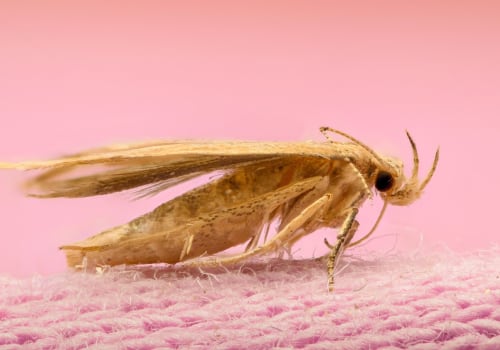
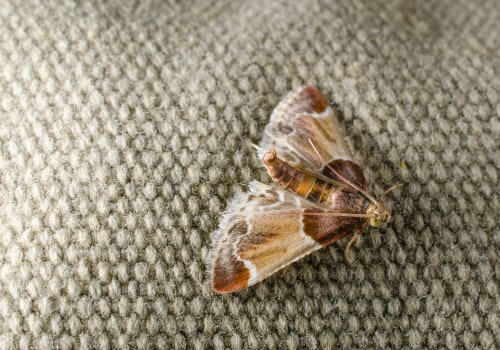
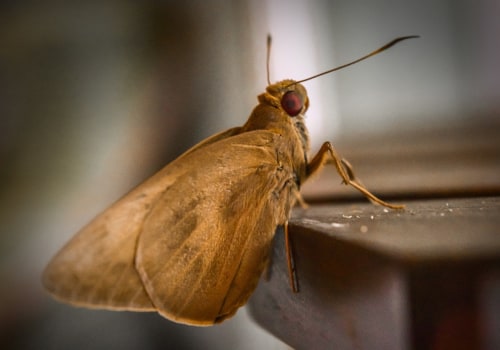
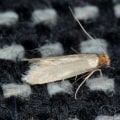
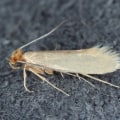
Moth infestations can be a frustrating and often overlooked problem in many households. These tiny pests, which belong to the order Lepidoptera, can wreak havoc on your clothing, fabrics, and even stored food. Understanding the different types of moths that can invade your home is essential for effective prevention and control. The most common culprits include the clothes moth (Tineola bisselliella), known for its appetite for wool and other natural fibers, and the pantry moth (Plodia interpunctella), which infests grains and dried goods.
Each type of moth has its own unique habits and preferences, making it crucial to identify the specific species you are dealing with.Recognizing the signs of a moth infestation is the first step in addressing the issue. Look for small, irregular holes in clothing or fabric, as well as webbing or cocoons in corners of closets or drawers. In kitchens, you may notice larvae or adult moths fluttering around food storage areas. Additionally, finding frass—tiny, dark droppings—can indicate a significant presence of these pests.
Being vigilant about these signs can help you catch an infestation early before it escalates into a larger problem.The causes of moth infestations are often linked to environmental factors and human habits. Moths are attracted to dark, undisturbed areas where they can lay their eggs and find food sources. Poorly stored clothing, especially items made from natural fibers, can become a breeding ground for clothes moths. Similarly, pantry moths thrive in improperly sealed food containers or products that have been left open.
Regular cleaning and proper storage techniques are vital in preventing these infestations from taking hold in your home.
The Dangers of Moth Infestations
Moth infestations can pose significant dangers to your home and belongings, making it crucial to understand the potential risks associated with these pests. While they may seem harmless at first glance, the damage they can inflict is both extensive and costly.Damage to Clothing and Fabrics
One of the most notorious consequences of a moth infestation is the destruction of clothing and textiles. Moths, particularly the larvae, feed on natural fibers found in wool, silk, cotton, and even synthetic materials. This feeding behavior can lead to:
- Holes and Tears: Infested garments often develop small holes that can ruin their appearance and wearability.
- Stains: Moth larvae excrete waste that can leave unsightly stains on fabrics, further diminishing their value.
- Loss of Structural Integrity: Over time, repeated feeding can weaken the fabric, making it more susceptible to tearing or fraying.
The financial burden of dealing with a moth infestation can be substantial, especially if it goes unnoticed for an extended period.
Health Risks Associated with Moths
While moths themselves are not known to transmit diseases to humans, their presence can still pose health risks. For instance:
- Allergic Reactions: Some individuals may develop allergies to moth scales or feces, leading to respiratory issues or skin irritations.
- Asthma Triggers: The presence of moth debris in the home can exacerbate asthma symptoms in sensitive individuals.
The Urgency for Effective Control
The dangers posed by moth infestations extend beyond mere inconvenience; they threaten the integrity of your belongings and potentially your health. Recognizing these risks underscores the importance of implementing effective control methods, such as essential oil sprays.
By taking proactive measures against moths, you can protect your home from their damaging effects and ensure a safe living environment.
Why Choose Essential Oil Sprays?
When it comes to tackling moth infestations, essential oil sprays offer a multitude of benefits that make them an appealing choice for homeowners. These natural solutions not only provide effective pest control but also prioritize safety and environmental sustainability.Effectiveness Against Moths
Essential oils are derived from plants and contain potent compounds that can repel or even eliminate moths. Oils such as lavender, peppermint, and cedarwood have been shown to disrupt the life cycle of moths, making it difficult for them to thrive in your home. The strong scents emitted by these oils act as a natural deterrent, keeping moths at bay without the need for harsh chemicals.
Safety for Humans and Pets
One of the most significant advantages of using essential oil sprays is their safety profile.
Unlike traditional chemical pesticides, which can pose health risks to humans and pets, essential oils are generally regarded as safe when used correctly. This makes them an ideal choice for households with children or pets who may be sensitive to toxic substances. By opting for essential oil sprays, you can effectively manage moth infestations while ensuring a safe living environment.
Eco-Friendly Pest Solutions
In an age where environmental consciousness is paramount, essential oil sprays stand out as eco-friendly alternatives to conventional pest control methods. Many chemical pesticides contain harmful ingredients that can contaminate soil and water sources, contributing to environmental degradation.
In contrast, essential oils are biodegradable and derived from renewable resources, making them a sustainable choice for pest management.
Additional Benefits
- Pleasant Aroma: Essential oils not only repel moths but also leave behind a refreshing scent in your home, enhancing your living space.
- Multi-Purpose Use: Many essential oils have additional benefits beyond pest control; they can also promote relaxation and improve air quality.
- Cost-Effective: Making your own essential oil spray can be more economical than purchasing commercial pest control products.
Effective Essential Oils for Moth Control
When it comes to combating moth infestations, certain essential oils stand out for their effectiveness and natural properties. These oils not only repel moths but can also disrupt their life cycle, making them a preferred choice for pest control. Below, we delve into some of the most effective essential oils for moth control and explain how they work.- Lavender Oil: Renowned for its calming scent, lavender oil is also a powerful moth repellent.
The strong aroma of lavender disrupts the moth's ability to locate food sources and mates. Additionally, its natural insecticidal properties can help eliminate existing moths. To use, simply mix a few drops with water in a spray bottle and apply it to areas where moths are likely to hide.
- Cedarwood Oil: Cedarwood oil is another excellent choice for repelling moths. Its woody scent is unappealing to these pests, making it an effective deterrent.
Moreover, cedarwood contains natural compounds that can kill moth larvae, preventing future infestations. Placing cedarwood blocks or using cedarwood oil in your spray can enhance its effectiveness.
- Peppermint Oil: The invigorating scent of peppermint oil is not only refreshing but also acts as a strong repellent against moths. The menthol in peppermint oil confuses the sensory receptors of moths, making it difficult for them to navigate and find food. For best results, combine peppermint oil with water and spray it in closets and storage areas.
- Rosemary Oil: Known for its culinary uses, rosemary oil also serves as an effective pest control agent.
Its pungent aroma deters moths and other insects while providing a pleasant scent in your home. Rosemary oil can be used similarly to other essential oils—diluted in water and sprayed in areas prone to infestations.
How to Make Your Own Essential Oil Spray
Creating your own essential oil spray is a simple and rewarding process that allows you to customize the blend to suit your needs while effectively combating moth infestations.Below, we’ll outline a straightforward recipe, mixing ratios, and application methods to help you craft an effective homemade pest control solution.
DIY Essential Oil Spray Recipe
To make your own essential oil spray, you will need the following ingredients:- Essential Oils: Choose from oils known for their moth-repelling properties, such as lavender, cedarwood, peppermint, or rosemary.
- Water: Distilled water is preferred to avoid any impurities.
- Witch Hazel or Vodka: This acts as an emulsifier and helps the oils mix with water.
- A Spray Bottle: A dark glass bottle is ideal to protect the oils from light degradation.
Mixing Ratios
The following ratio is a good starting point for your essential oil spray:- 1 cup of distilled water
- 2 tablespoons of witch hazel or vodka
- 20-30 drops of essential oil
Instructions for Preparation
- In a clean spray bottle, combine the witch hazel or vodka with the essential oils. Swirl gently to mix.
- Add the distilled water to the bottle. Make sure to leave some space at the top for shaking.
- Secure the spray nozzle and shake well before each use to ensure the oils are evenly distributed.
Application Methods
To effectively use your homemade essential oil spray against moths, follow these application tips:- Spray in Infested Areas: Target areas where moths are commonly found, such as closets, drawers, and storage bins. Ensure you spray on surfaces like shelves and inside garment bags.
- Reapply Regularly: For best results, reapply every few weeks or after cleaning these areas to maintain effectiveness.
- Use Cotton Balls: For a more concentrated approach, soak cotton balls in your essential oil mixture and place them in corners or inside storage containers.
Enjoy the peace of mind that comes with knowing you’re using a natural solution!
Application Tips for Maximum Effectiveness
To effectively combat moth infestations using essential oil sprays, it’s crucial to apply them correctly. Here are some best practices to ensure you achieve maximum effectiveness:Target Areas for Application
Moths are typically attracted to dark, warm spaces where they can lay their eggs and find food. Focus your application on the following areas:- Closets: Spray inside closets, particularly on shelves and in corners where moths may hide.
- Drawers: Don’t forget to treat drawers, especially those containing clothing or fabric items.
- Carpets and Rugs: Lightly mist carpets and rugs, as these can be breeding grounds for moth larvae.
- Storage Boxes: If you store seasonal clothing or linens, spray inside storage boxes before sealing them.
- Attics and Basements: These areas are often overlooked but can harbor moths; a targeted spray can help deter them.
Frequency of Application
The effectiveness of essential oil sprays can diminish over time due to evaporation and environmental factors. To maintain a moth-free environment, consider the following:- Initial Treatment: Apply the spray every 2-3 days during the first week of treatment to establish a strong barrier against moths.
- Ongoing Maintenance: After the initial treatment, reduce application frequency to once a week or bi-weekly, depending on the severity of the infestation.
- Seasonal Precautions: Increase application frequency during peak moth seasons, typically in spring and fall.
Safety Precautions
While essential oils are generally safe, it’s important to take certain precautions to ensure safe usage:- Avoid Direct Contact: When applying sprays, avoid direct contact with skin and eyes.
Use gloves if necessary.
- Ventilation: Ensure that the area is well-ventilated during application to prevent overwhelming scents.
- Test Surfaces: Before spraying on fabrics or surfaces, test a small area first to ensure there is no discoloration or damage.
- Keeps Away from Pets: While many essential oils are safe for pets, it’s best to keep them away from treated areas until the spray has dried completely.