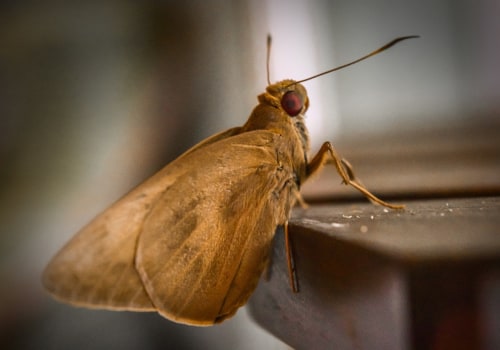
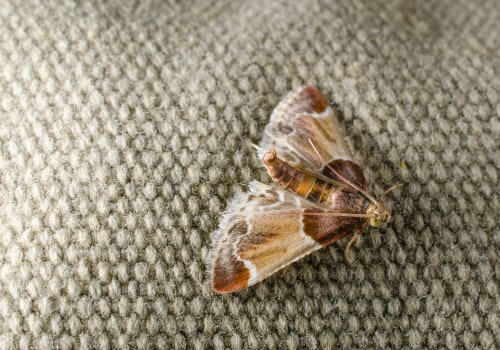
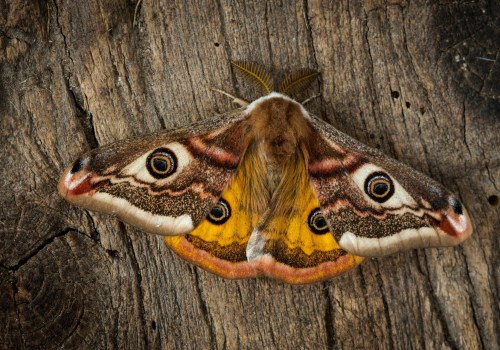
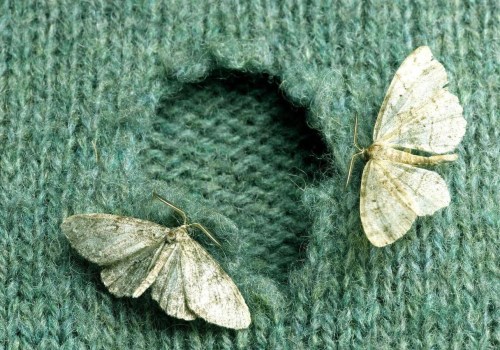
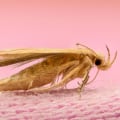
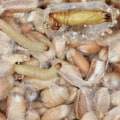
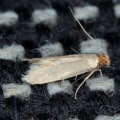
Moth infestations can be a significant concern for homeowners, as these pests are not only annoying but can also cause considerable damage to clothing, upholstery, and other household items. Understanding the types of moths that commonly invade homes is essential for effective identification and management. The two most prevalent species are the clothes moth and the pantry moth. Clothes moths, particularly the Tineola bisselliella, are notorious for feeding on natural fibers found in clothing, carpets, and drapes.
On the other hand, pantry moths, such as the Plodia interpunctella, target stored food products, laying their eggs in grains, cereals, and dried fruits. Recognizing the signs of a moth infestation early can save you from extensive damage and costly repairs. Homeowners should be vigilant for indicators such as small holes in fabrics, webbing in corners or on shelves, and the presence of larvae or cocoons. Adult moths are often seen fluttering around light sources or resting on walls. Additionally, if you notice an unusual amount of moths in your pantry or find webbing in your food storage areas, it’s a clear sign that you may have a pantry moth infestation. The potential damage caused by moths can be extensive.
Clothes moth larvae can create unsightly holes in your favorite garments or family heirlooms, while pantry moths can contaminate food supplies, leading to waste and health concerns. Understanding these aspects of moth infestations is crucial for homeowners to take proactive measures in identifying and addressing the problem before it escalates into a full-blown invasion.
The Impact of Moth Infestations
Moth infestations can lead to a variety of significant impacts that extend beyond mere annoyance. Understanding these impacts is crucial for homeowners and businesses alike, as they can affect both personal belongings and overall economic stability.Damage Caused by Moths
One of the most visible effects of a moth infestation is the damage inflicted on clothing, upholstery, and stored goods. Moths, particularly the larvae, are notorious for their appetite for natural fibers.This includes:
- Clothing: Wool, silk, cotton, and other natural fabrics are prime targets. Infestations can result in holes and frayed edges, rendering garments unwearable.
- Upholstery: Furniture covered in natural fibers can suffer similar fates. Moths can chew through fabric, leading to costly repairs or replacements.
- Stored Goods: Items such as blankets, linens, and even carpets can be damaged if not properly stored. Moths can lay eggs in these materials, leading to further infestations.
Health Risks Associated with Moths
While moths themselves are not known to transmit diseases to humans, their presence can still pose health risks.The primary concern arises from the allergens produced by moths and their droppings. These allergens can trigger:
- Allergic Reactions: Individuals sensitive to allergens may experience symptoms such as sneezing, itching, or respiratory issues when exposed to moth debris.
- Asthma Attacks: For those with asthma or other respiratory conditions, exposure to moth allergens can exacerbate symptoms and lead to severe attacks.
Economic Impact of Moth Infestations
The economic implications of moth infestations can be substantial. Homeowners may face costs related to:- Repairs and Replacements: The need to repair or replace damaged clothing and furniture can quickly add up.
- Pest Control Services: Hiring professional exterminators to eliminate infestations incurs additional expenses.
- Loss of Value: For businesses that rely on textiles or stored goods, a moth infestation can lead to significant financial losses due to damaged inventory.
What Are Heat Treatments?
Heat treatments are a highly effective method for combating moth infestations, utilizing elevated temperatures to eradicate these pests at all life stages, including eggs, larvae, and adult moths.This technique is based on the principle that extreme heat disrupts the biological processes of moths, ultimately leading to their demise.Essentially, heat treatments involve raising the temperature of infested areas to a level that is lethal to moths. Typically, this means achieving temperatures above 120 degrees Fahrenheit (49 degrees Celsius) for a sustained period, usually around 30 minutes or more. This duration is crucial, as it ensures that the heat penetrates deep into fabrics and materials where moths may be hiding.One of the primary benefits of heat treatments is their ability to eliminate not just visible moths but also those hidden in hard-to-reach places. Unlike traditional chemical treatments that may leave behind residues or require multiple applications, heat treatments provide a thorough solution in a single session.
This makes them particularly appealing for homeowners and businesses looking for an efficient way to address infestations.Moreover, heat treatments are environmentally friendly and safe for use around children and pets. They do not involve harmful chemicals that can pose health risks or leave lingering odors in your living space. This non-toxic approach is increasingly favored by those who are conscious of their environmental impact and prefer safer pest control methods.In addition to their effectiveness and safety, heat treatments also offer a level of convenience. Many professional pest control services are equipped with specialized equipment designed to deliver precise heating to targeted areas, ensuring optimal results without the need for extensive preparation on the part of the homeowner.In summary, heat treatments represent a powerful tool in the fight against moth infestations.
Their ability to effectively eliminate pests while being safe and environmentally friendly makes them an attractive option for anyone dealing with these troublesome insects.
Types of Heat Treatments for Moths
When it comes to tackling moth infestations, understanding the various types of heat treatments available is crucial for effective pest control. Each method has its unique advantages and applications, making it essential to choose the right one based on the severity of the infestation and the specific environment.Steam Treatment
Steam treatment is a popular method for controlling moths, particularly in residential settings. This technique involves using a steam cleaner that emits hot steam at temperatures exceeding 160 degrees Fahrenheit. The steam penetrates fabrics and surfaces, effectively killing moths in all life stages, including eggs, larvae, and adults.- Effectiveness: Steam treatment is highly effective against moth infestations in clothing, carpets, and upholstery.
The heat from the steam not only kills moths but also helps to sanitize the treated areas.
- Application: This method is particularly useful for treating delicate fabrics that may be damaged by harsher heat methods. It can be applied directly to clothing, curtains, and other textiles.
- Safety: Since steam treatment uses only water and heat, it is a chemical-free option that is safe for use around children and pets.
Dry Heat Treatment
Dry heat treatment is another effective method for eliminating moth infestations. This technique involves raising the temperature of an enclosed space to a level that is lethal to moths—typically above 120 degrees Fahrenheit for at least 30 minutes.- Effectiveness: Dry heat treatment can penetrate deep into materials such as wood, carpets, and stored items, ensuring that all life stages of moths are eradicated.
- Application: This method is often used in larger spaces or when dealing with extensive infestations. Professional exterminators typically employ specialized equipment to ensure even heat distribution throughout the area being treated.
- Considerations: While dry heat treatment is highly effective, it requires careful monitoring to avoid damage to sensitive items.
It’s essential to remove any items that could be harmed by high temperatures before treatment begins.
How to Implement Heat Treatments at Home
Implementing heat treatments at home can be an effective way to combat moth infestations without the need for professional services. With a few household items and some careful planning, you can create a hostile environment for these pests. Here are some practical tips and methods to help you get started.DIY Heat Treatment Methods
One of the most accessible methods for applying heat treatments is by using steamers and hair dryers.Both tools can effectively target moths at various life stages, including eggs, larvae, and adults.
- Using a Clothes Steamer: A clothes steamer is an excellent tool for treating fabrics that may harbor moths. To use it:
- Ensure the steamer is filled with water and heated to the appropriate temperature.
- Hold the steamer nozzle close to the fabric, allowing the steam to penetrate deeply.
- Focus on seams, folds, and hidden areas where moths are likely to hide.
- Move slowly to ensure that the fabric reaches a temperature of at least 120°F (49°C) for effective treatment.
- Set your hair dryer to the highest heat setting.
- Direct the hot air towards areas where moths are suspected, such as closets or drawers.
- Keep the dryer moving to avoid damaging fabrics while ensuring that the heat penetrates thoroughly.
Home Heat Treatment Tips
When implementing heat treatments at home, consider these additional tips to maximize effectiveness:- Target Specific Areas: Focus on areas where moths are commonly found, such as closets, storage bins, and under furniture. Pay special attention to items made of wool or silk, as these are particularly attractive to moths.
- Use Plastic Bags: For items that can be sealed, such as clothing or blankets, place them in plastic bags after treatment.
This will help prevent re-infestation by keeping moths out.
- Monitor Temperature: Use a thermometer to ensure that the treated areas reach the necessary temperatures for effective pest control. This is crucial for ensuring that all life stages of moths are eliminated.
- Repeat Treatments: Depending on the severity of the infestation, multiple treatments may be necessary. Regularly check treated areas for signs of moth activity and reapply heat as needed.
When to Call Professional Extermination Services
Dealing with a moth infestation can be overwhelming, especially when the problem escalates beyond your control.While there are various DIY methods available, there are specific situations where it is prudent to seek the expertise of professional pest control services. Understanding when to call in the experts can save you time, money, and further damage to your belongings.
Signs You Need Professional Help
- Persistent Infestation: If you notice that your efforts to eliminate moths are not yielding results, it may be time to call in professionals. A persistent infestation often indicates that the problem is more severe than it appears.
- Widespread Damage: If you find extensive damage to clothing, carpets, or stored goods, this is a clear sign that the infestation has grown beyond a manageable level. Professionals can assess the extent of the damage and implement effective solutions.
- Presence of Eggs or Larvae: Spotting eggs or larvae in addition to adult moths suggests that the infestation is in its early stages but could escalate quickly.
Professional exterminators can target all life stages of moths effectively.
- Health Concerns: Moths can trigger allergies or respiratory issues in sensitive individuals. If you or your family members are experiencing health problems related to moths, it’s essential to seek professional help.
Benefits of Hiring Exterminators
- Expertise and Experience: Professional exterminators have extensive training and experience in dealing with various pest infestations, including moths. They understand the behavior and life cycle of these pests, allowing them to devise targeted strategies for elimination.
- Access to Advanced Tools: Extermination services utilize specialized equipment and products that are not available to the general public. This allows them to achieve more effective results in a shorter amount of time.
- Comprehensive Solutions: Professionals not only eliminate existing infestations but also provide preventative measures to ensure that moths do not return.
This holistic approach is crucial for long-term pest management.
- Time-Saving: Handling a moth infestation can be time-consuming and frustrating. By hiring professionals, you can save valuable time and focus on other important aspects of your life.
Preventing Future Moth Infestations
Preventing future moth infestations is crucial for maintaining a pest-free home. By implementing effective strategies, homeowners can significantly reduce the risk of these pests returning.Here are some essential moth prevention tips to consider:
- Regular Cleaning: Keeping your home clean is one of the most effective ways to deter moths. Regularly vacuum carpets, rugs, and upholstery to remove any eggs or larvae that may be present. Pay special attention to corners, under furniture, and in closets where moths tend to hide.
- Wash Fabrics: Wash clothing, linens, and other fabric items regularly, especially those that are stored away. Use hot water when possible, as this can kill any potential moth eggs or larvae.
For delicate items, consider using a clothes steamer to eliminate pests.
- Proper Storage: When storing clothes or linens, use airtight containers or vacuum-sealed bags to keep moths out. Avoid using cardboard boxes, as they can harbor pests. Additionally, ensure that items are clean and dry before storing them to prevent attracting moths.
- Natural Repellents: Consider using natural repellents such as cedar chips, lavender sachets, or essential oils like peppermint and eucalyptus. These scents are known to repel moths and can be placed in closets and storage areas for added protection.
- Monitor Vulnerable Areas: Keep an eye on areas where moths are likely to enter or breed, such as attics, basements, and garages.
Regularly inspect these spaces for signs of infestation and take immediate action if you notice any issues.
Natural Methods for Controlling Moths
When it comes to managing moth infestations, many homeowners seek out natural methods that are both effective and non-toxic. These alternatives not only help in controlling moth populations but also ensure a safer environment for families and pets. Below are some of the most effective natural pest control methods that can be integrated into your overall pest management strategy.1.Essential Oils
Essential oils are a popular choice for repelling moths due to their strong scents, which are unpleasant to these pests.Some of the most effective essential oils include:
- Lavender Oil: Known for its calming properties, lavender oil is also a powerful moth repellent. Simply soak cotton balls in lavender oil and place them in closets, drawers, or storage areas.
- Peppermint Oil: The strong minty scent of peppermint oil can deter moths effectively. Mix a few drops with water in a spray bottle and apply it to areas where moths are likely to hide.
- Eucalyptus Oil: This oil not only smells great but also acts as a natural insect repellent. Use it similarly to lavender oil by soaking cotton balls or mixing it with water for a spray.
2.Vinegar Solutions
Vinegar is another versatile household item that can help combat moth infestations.Its strong odor can disrupt the pheromone trails that moths use to navigate, making it harder for them to find food sources.
- White Vinegar Spray: Mix equal parts of white vinegar and water in a spray bottle. Spray this solution on areas where you suspect moth activity, such as carpets, upholstery, and clothing.
- Vinegar Soak: For clothing items that may harbor moth eggs or larvae, soaking them in a mixture of vinegar and water before washing can help eliminate any hidden pests.
3.Diatomaceous Earth
Diatomaceous earth (DE) is a natural powder made from the fossilized remains of tiny aquatic organisms called diatoms. It is safe for humans and pets but deadly to insects like moths.- Application: Sprinkle food-grade diatomaceous earth in areas where you have noticed moth activity, such as closets or storage bins. The fine powder will adhere to the insects' exoskeletons, causing them to dehydrate and die.
4.Traps and Barriers
Using traps can be an effective way to monitor and control moth populations without resorting to chemicals.- Pheromone Traps: These traps use synthetic pheromones to attract male moths, effectively disrupting their mating cycle.
Place these traps in areas where you have seen moths.
- Cedar Chips: Cedar has natural insect-repelling properties. Placing cedar chips in closets or storage boxes can deter moths while leaving a pleasant scent.
FAQs About Heat Treatments for Moth Infestations
When it comes to dealing with moth infestations, many homeowners and business owners have questions about the effectiveness and process of heat treatments. Below are some frequently asked questions that can help clarify common concerns and misconceptions.What is a heat treatment for moth infestations?
A heat treatment involves raising the temperature of an infested area to a level that is lethal to moths at all life stages, including eggs, larvae, and adults.Typically, temperatures above 120 degrees Fahrenheit are maintained for a minimum of 30 minutes to ensure complete eradication.
How effective are heat treatments against moths?
Heat treatments are highly effective in eliminating moth infestations. Studies have shown that this method can achieve a success rate of over 90% when performed correctly. The key is ensuring that all areas where moths may hide are adequately heated, including closets, carpets, and upholstered furniture.Are heat treatments safe for my home and belongings?
Yes, heat treatments are considered safe for most household items. Unlike chemical treatments, they do not leave behind harmful residues or odors.However, it is essential to remove heat-sensitive items such as electronics, candles, and certain types of artwork before treatment.
Can I perform a heat treatment myself?
While some homeowners attempt DIY heat treatments using portable heaters or steamers, it is generally recommended to hire professionals. Extermination services have specialized equipment that can ensure even heating throughout the space, which is crucial for effectiveness.How long does a heat treatment take?
The duration of a heat treatment can vary depending on the size of the area being treated. Typically, the entire process can take anywhere from 6 to 8 hours, including preparation time and cooling down after treatment.Will I need follow-up treatments?
While heat treatments are effective in eliminating existing infestations, they do not prevent future ones. It is advisable to implement preventive measures such as regular cleaning and proper storage of clothing and textiles to minimize the risk of re-infestation.If you have more questions about heat treatments or need assistance with a moth infestation, consider consulting with a professional pest control service for tailored advice and solutions.Conclusion: Taking Control of Moth Infestations with Heat Treatments
In conclusion, effectively managing a moth infestation requires a comprehensive understanding of these pests and the methods available for their control.Throughout this article, we have explored the various aspects of heat treatments, highlighting their effectiveness in eliminating moths at all life stages—from eggs to larvae to adults. This method stands out not only for its efficiency but also for its environmentally friendly approach, making it a preferred choice for many homeowners and businesses.Heat treatments offer a powerful solution to those grappling with the challenges posed by moth infestations. By raising temperatures above 120 degrees Fahrenheit for a sustained period, these treatments ensure that no moth is left behind. This thoroughness is crucial, as even a few surviving eggs or larvae can lead to a resurgence of the infestation.Moreover, the benefits of heat treatments extend beyond mere extermination.
They are non-toxic and chemical-free, making them safe for use around children and pets. This aspect is particularly appealing to those who are concerned about the potential health risks associated with traditional pest control methods. Additionally, heat treatments do not leave behind any harmful residues or unpleasant odors, further enhancing their appeal.While DIY methods can be effective in certain situations, enlisting the help of professional extermination services is often the best course of action. Professionals possess the necessary equipment and expertise to conduct heat treatments safely and effectively, ensuring that your home or business remains free from moths in the long term.Incorporating heat treatments into your overall pest management strategy is essential for preventing future infestations.
Regular cleaning, proper storage of clothing and linens, and the use of moth repellents can significantly reduce the likelihood of encountering these pests again. By taking proactive measures and understanding the lifecycle of moths, you can maintain a moth-free environment.Ultimately, taking control of moth infestations through heat treatments not only addresses immediate concerns but also lays the groundwork for long-term prevention. With the right knowledge and resources at your disposal, you can effectively combat these unwelcome intruders and protect your valuable belongings.