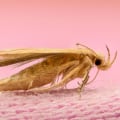
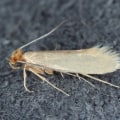
Moth infestations can be a significant nuisance for homeowners, often leading to damage of clothing, upholstery, and other fabric items. Understanding what constitutes a moth infestation is the first step in effectively managing and preventing these unwelcome guests. Moths are small, winged insects that belong to the order Lepidoptera, which also includes butterflies. While many species of moths exist, only a few are known to invade homes and cause damage.Among the most common types of moths that invade households are the clothes moth and the pantry moth.
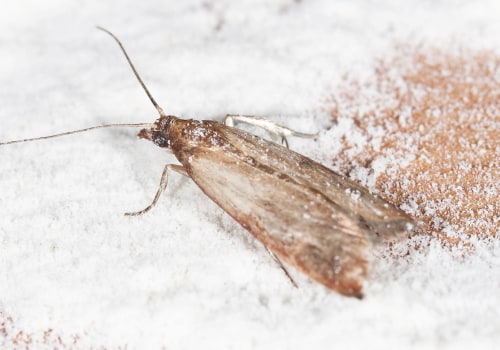
The clothes moth, particularly the Tineola bisselliella, is notorious for its larvae, which feed on natural fibers found in clothing, carpets, and upholstery. On the other hand, the pantry moth, or Plodia interpunctella, targets stored food products, laying eggs in grains, cereals, and dried fruits. Recognizing these types of moths is crucial for identifying the source of an infestation and implementing appropriate control measures.Understanding what attracts moths to your home is equally important in preventing infestations. Moths are drawn to dark, warm spaces where they can find suitable breeding grounds.
Areas such as closets, attics, and basements often provide ideal conditions for moths to thrive. Additionally, they are attracted to natural fibers like wool, silk, and cotton, as well as food sources that may be present in your pantry. The presence of organic materials and food residues can create an inviting environment for these pests.By gaining insight into the nature of moth infestations, including the types of moths commonly found in homes and their attractions, you can take proactive steps to safeguard your living space. This knowledge not only aids in effective prevention but also empowers you to act swiftly should an infestation occur.
Signs of a Moth Infestation
Identifying a moth infestation early is crucial to preventing extensive damage to your home and belongings.Moths can be elusive, but there are several telltale signs that indicate their presence. Understanding these signs can help you take prompt action to mitigate the problem.
Physical Evidence of Moths
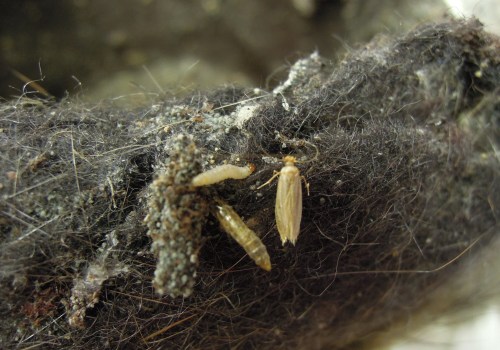
One of the most common indicators of a moth infestation is the presence of larvae. These small, caterpillar-like creatures are often found in areas where moths are likely to breed, such as closets or storage spaces. The larvae are typically white or cream-colored and can be as long as half an inch.If you notice these tiny worms crawling on your clothes or in your pantry, it’s a clear sign that moths are nearby.Another sign to look for is webbing. Moth larvae create silk webs as they feed and grow, which can often be found in corners of closets, on clothing, or inside storage boxes. This webbing can appear as fine threads or clumps and may be accompanied by frass, which is the excrement of the larvae that resembles small grains of sand or pepper.
Damage to Fabrics and Materials
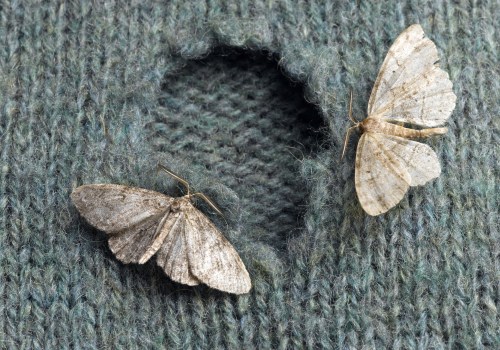
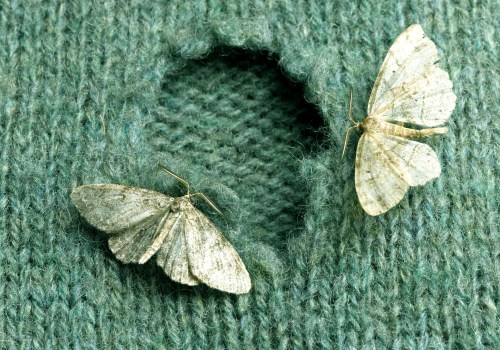
Moths are notorious for causing damage to fabrics, particularly those made from natural fibers like wool, silk, and cotton. If you notice irregular holes in your clothing, blankets, or upholstery, it could be a result of moth feeding.The damage often appears as small, round holes that can compromise the integrity of the fabric.In addition to clothing, moths can also damage stored items such as blankets, carpets, and even food products. If you find holes in bags of grains or cereals, it’s essential to check for moth activity. Moths are attracted to organic materials and can quickly infest food supplies if not addressed.
Other Signs of Infestation
- Adult Moths: Spotting adult moths flying around your home is a clear indication of an infestation. Adult moths are typically nocturnal and may be more active during the evening hours.
- Unpleasant Odors: A musty smell in areas where you store clothes or food can also signal a moth problem.
- Egg Casings: Look for tiny white eggs or casings left behind by adult moths; these can often be found in hidden areas.
Regularly inspecting your belongings and maintaining cleanliness in storage areas will help prevent these pests from taking hold in your home.
Natural Solutions for Eliminating Moths
When it comes to tackling a moth infestation, many homeowners are seeking natural solutions that are both effective and safe for their families and pets. Fortunately, there are several eco-friendly methods to eliminate moths from your home without resorting to harsh chemicals. Below, we explore some of the most effective natural remedies for moth control.Vinegar Solutions
Vinegar is a powerful natural agent that can help in both repelling and eliminating moths. Its strong scent is unappealing to these pests, making it an excellent choice for a homemade moth repellent.- Moth Repellent Spray: Combine equal parts of white vinegar and water in a spray bottle.
For added effectiveness, include a few drops of essential oils such as lavender or eucalyptus. Shake well and spray this solution in areas where moths are likely to gather, such as closets, drawers, and storage boxes. For added effectiveness, include a few drops of essential oils such as lavender or eucalyptus. Shake well and spray this solution in areas where moths are likely to gather, such as closets, drawers, and storage boxes.
- Clothing Soak: If you suspect that your clothing has been infested, soak the items in a mixture of water and vinegar for at least 30 minutes before washing. This will help kill any larvae or eggs present in the fabric.
- Cabinet Wipes: Moths often lay their eggs in dark, damp places like kitchen cabinets. To prevent this, create a cleaning solution with equal parts vinegar and warm water.
Use a cloth or sponge to wipe down the insides of your cabinets regularly.
Essential Oils
Incorporating essential oils into your pest control routine can significantly enhance the effectiveness of your natural remedies. Many essential oils possess properties that repel moths while also being safe for use around children and pets.- Lavender Oil: Known for its calming scent, lavender oil is also an effective moth repellent. Add a few drops to your vinegar spray or place cotton balls soaked in lavender oil in areas prone to moth activity.
- Peppermint Oil: The strong aroma of peppermint oil can deter moths effectively. Mix it with water in a spray bottle and apply it to affected areas.
- Cedarwood Oil: Cedarwood not only repels moths but also has insecticidal properties that can kill larvae and eggs.
Consider using cedarwood chips or blocks in your closets as a natural deterrent.
Other Eco-Friendly Options
In addition to vinegar and essential oils, there are other natural methods you can employ to combat moth infestations:- Diatomaceous Earth: This natural powder is made from fossilized algae and can be sprinkled in areas where moths are active. It works by dehydrating insects upon contact.
- Herbal Sachets: Create sachets filled with dried herbs such as rosemary, thyme, or mint. Place these sachets in your closets and drawers to naturally repel moths.
- Regular Cleaning: Keeping your home clean is one of the best preventative measures against moth infestations. Regularly vacuum carpets, rugs, and upholstery to remove any potential eggs or larvae. Keeping your home clean is one of the best preventative measures against moth infestations. Regularly vacuum carpets, rugs, and upholstery to remove any potential eggs or larvae.
Remember that consistency is key; regularly applying these methods will help ensure that your home remains free from these unwanted pests.
Using Vinegar as a Natural Moth Repellent
When it comes to tackling a moth infestation, vinegar stands out as a powerful and natural solution. Its acidic properties not only repel moths but also help eliminate their eggs and larvae, making it an effective tool in your pest control arsenal. Below, we will explore various vinegar-based solutions and how to use them effectively to combat moths in your home.Creating a Moth Repellent Spray
One of the simplest ways to utilize vinegar for moth control is by creating a homemade moth repellent spray. Here’s how you can do it:- Ingredients: You will need white vinegar, water, and optional essential oils (like lavender or cedarwood) for added effectiveness.
- Mixing: In a spray bottle, combine equal parts of white vinegar and water.
For enhanced repellent properties, add 10-15 drops of your chosen essential oil.
- Application: Shake the bottle well before each use. Spray the solution in areas where moths are likely to be present, such as closets, drawers, and storage boxes. Pay special attention to corners and dark spaces where moths tend to hide.
Using Vinegar for Cleaning
Regular cleaning with vinegar can also help prevent moth infestations. Moths are attracted to food residues and organic materials, so keeping your home clean is crucial.- Cupboard Cleaning: Mix equal parts of warm water and white vinegar in a bucket.
Use a cloth or sponge to wipe down the insides of cabinets and shelves, especially in the kitchen and pantry.
- Fabric Soak: If you suspect that your clothing or fabrics may harbor moth eggs or larvae, soak them in a solution of water and vinegar (1 cup of vinegar per gallon of water) for at least 30 minutes before washing. This will help kill any pests present.
Additional Tips for Effective Use
To maximize the effectiveness of your vinegar solutions:- Frequency: Regularly apply the vinegar spray every few weeks or after cleaning to maintain its repellent effects.
- Storage: Store your vinegar solutions in a cool, dark place to preserve their potency.
- Avoid Overuse: While vinegar is effective, using it excessively can lead to strong odors. Ensure proper ventilation when applying it indoors.
Incorporating Essential Oils in Moth Control
When it comes to tackling moth infestations, incorporating essential oils into your pest control strategy can significantly enhance your efforts. These natural extracts not only provide a pleasant aroma but also possess potent properties that repel moths and other pests.By blending essential oils with other natural remedies, you can create a comprehensive approach to keeping your home free from these unwanted intruders.
Benefits of Using Essential Oils
- Natural Repellents: Many essential oils have strong scents that are unappealing to moths, making them effective deterrents.
- Non-Toxic: Unlike chemical pesticides, essential oils are safe for use around children and pets, providing peace of mind while protecting your home.
- Multi-Purpose: Essential oils can be used for various purposes beyond pest control, such as aromatherapy and cleaning, making them a versatile addition to your household.
Best Essential Oils for Moths
Several essential oils have proven particularly effective in repelling moths:
- Lavender Oil: Known for its calming scent, lavender oil is a powerful moth repellent. Its fragrance disrupts the moth's ability to locate food sources.
- Peppermint Oil: The strong menthol scent of peppermint oil is not only refreshing but also acts as a natural deterrent against moths and other pests.
- Cedarwood Oil: Cedarwood has long been used in closets and storage areas to repel moths. Its woody aroma is particularly effective in keeping these pests at bay.
- Eucalyptus Oil: This oil has insect-repelling properties and can help deter moths while also providing a fresh scent to your home.
Recipes for Effective Blends
Creating your own essential oil blends for moth control is simple and effective. Here are a few recipes you can try:
- Moth Repellent Spray: Mix 10 drops of lavender oil, 10 drops of peppermint oil, and 2 cups of water in a spray bottle.
Shake well and spray in areas prone to moth activity.
- Cedarwood Sachets: Fill small fabric bags with cedar chips and add a few drops of cedarwood oil. Place these sachets in closets, drawers, and storage boxes to keep moths away.
- Eucalyptus Infusion: Combine 15 drops of eucalyptus oil with 1 cup of water in a spray bottle. Use this mixture to wipe down surfaces where moths may lay eggs.