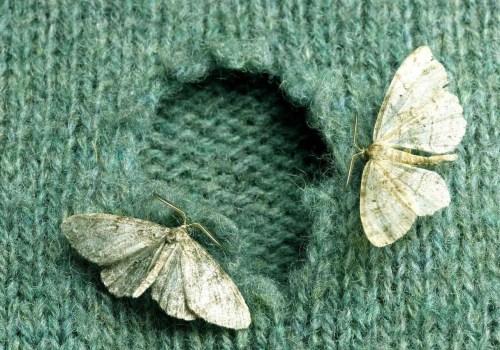
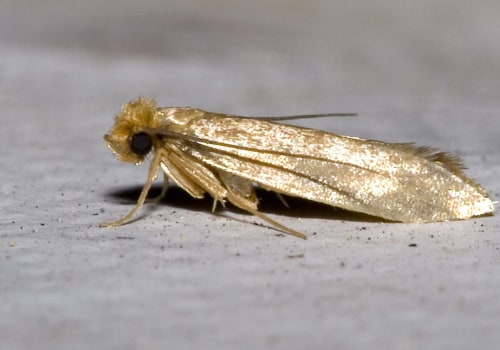
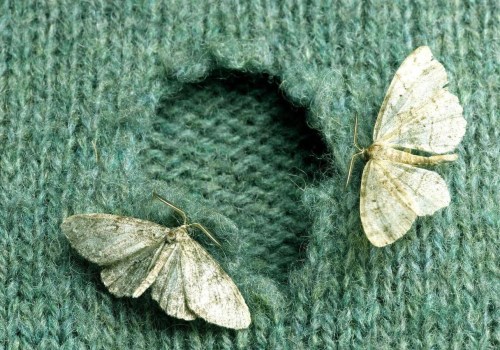
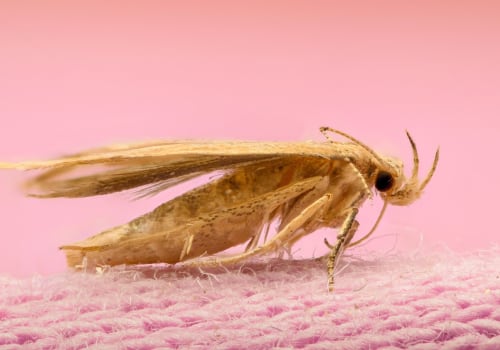
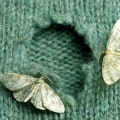
Moth infestations can be a significant nuisance for homeowners, often leading to damage that is both frustrating and costly. Understanding the nature of these infestations is essential for effective control and prevention. Moths are not just a single species; they encompass a variety of types, each with its own habits and preferences. The most common culprits found in homes include the clothes moth , pantry moth , and tobacco moth.
Each of these species targets different materials, making it crucial to identify which type has invaded your space.Recognizing the signs of a moth infestation is the first step in addressing the problem. Homeowners should be vigilant for signs such as small holes in clothing, webbing in corners, or the presence of tiny larvae. Adult moths are often elusive, but their presence can be detected through their droppings, which resemble small black specks. Additionally, if you notice an unusual number of moths fluttering around light sources, it may indicate a nearby infestation.The damage caused by moths can be extensive and varies depending on the type of moth involved.
Clothes moths are notorious for damaging natural fibers like wool, silk, and cashmere, leading to unsightly holes and weakened fabrics. Pantry moths, on the other hand, can contaminate food supplies by laying eggs in grains and dried goods, resulting in both waste and health concerns. Understanding these impacts highlights the importance of taking swift action against any signs of infestation.By familiarizing yourself with the types of moths that may invade your home, recognizing the signs of an infestation early on, and understanding the potential damage they can cause, you will be better equipped to implement effective control methods. This foundational knowledge is vital for anyone looking to protect their home from these persistent pests.
Why Freezing is Effective Against Moths
Understanding why freezing is effective against moths requires a look into the biology of these pests and how extreme temperatures impact their life cycle.Moths, like many insects, are ectothermic, meaning their body temperature is regulated by the environment. When exposed to cold temperatures, their metabolic processes slow down significantly, leading to a state of dormancy and eventually death.
How Freezing Kills Moths
Freezing works by disrupting the physiological functions of moths at all stages of their life cycle—eggs, larvae (caterpillars), and adults. When moths are subjected to temperatures below 0°F (-18°C), the cold penetrates their bodies, causing ice crystals to form within their cells. This process can rupture cell membranes, leading to cellular damage and death.For effective moth control, it is crucial to maintain these freezing conditions for a sufficient duration.
Research indicates that a minimum exposure time of 48 hours at 0°F (-18°C) is necessary to ensure that all life stages are effectively eradicated. This duration allows the cold to permeate through various materials, ensuring that even hidden eggs or larvae are not spared.
Effectiveness of Freezing
The effectiveness of freezing as a method for controlling moth infestations lies in its ability to target all life stages. Unlike chemical treatments that may only affect adult moths or require multiple applications, freezing provides a comprehensive solution. It is particularly beneficial for items that cannot be treated with chemicals due to safety concerns or material sensitivity.Moreover, freezing is an environmentally friendly option.The effectiveness of freezing as a method for controlling moth infestations lies in its ability to target all life stages. Unlike chemical treatments that may only affect adult moths or require multiple applications, freezing provides a comprehensive solution. It is particularly beneficial for items that cannot be treated with chemicals due to safety concerns or material sensitivity.Moreover, freezing is an environmentally friendly option.
It does not introduce harmful chemicals into your home or the surrounding environment, making it a safe choice for households with children and pets.
Temperature Requirements for Freezing
To maximize the effectiveness of freezing against moth infestations, it is essential to adhere to specific temperature guidelines:
- Optimal Temperature: Maintain a freezer temperature of 0°F (-18°C) or lower.
- Duration: Ensure items remain in the freezer for at least 48 hours.
- Material Considerations: Be cautious with delicate fabrics; always check care labels before freezing.
How to Freeze Items for Moth Control
Freezing is a highly effective method for controlling moth infestations, but to achieve the best results, it’s essential to follow a systematic approach. Here’s a step-by-step guide on how to properly freeze items that may be infested with moths.Preparation Steps
- Identify Infested Items: Before you begin, carefully inspect your belongings. Look for signs of moth activity, such as webbing, larvae, or adult moths.
Common items that may harbor moths include wool clothing, silk fabrics, and stored blankets.
- Clean the Items: Wash or dry clean the infested items if possible. This not only helps remove any eggs or larvae but also prepares the fabric for freezing. If washing is not an option, consider vacuuming the items thoroughly.
- Seal in Bags: Place the cleaned items in airtight plastic bags or containers. This prevents moisture from entering and protects other items in your freezer from potential contamination.
Freezing Process
Once your items are prepared, it’s time to freeze them:- Set Your Freezer: Ensure your freezer is set to 0°F (-18°C) or lower.
This temperature is crucial for effectively killing all stages of moths, including eggs and larvae.
- Duration: Keep the items in the freezer for at least 72 hours. While some sources suggest 48 hours may suffice, extending the freezing time ensures that all potential pests are eliminated.
- Thawing Safely: After the freezing period, remove the items from the freezer and allow them to thaw at room temperature. Avoid placing them in direct sunlight or using heat sources, as this can damage delicate fabrics.
Safety Precautions
While freezing is a safe method for controlling moths, consider these precautions:- Avoid Overloading: Do not overcrowd your freezer. Ensure there is enough space for air circulation around the bags or containers.
- Check for Damage: Inspect items after thawing for any signs of damage or remaining pests.
If you notice any issues, consider repeating the freezing process.
- Label Your Bags: To keep track of what you’ve frozen and when, label each bag with the date and contents. This will help you manage your inventory effectively.
DIY Freezing Techniques for Moth Infestation
When it comes to tackling a moth infestation, DIY freezing techniques can be a game-changer. Not only are these methods effective, but they also allow you to take control of the situation without relying on harsh chemicals. Here are some practical and creative solutions to help you manage moths in your home.Freezing Infested Items
The most straightforward method involves freezing items that are suspected to be infested.Here’s how to do it:
- Identify Infested Items: Look for clothing, fabrics, or pantry items that show signs of moth activity, such as holes or webbing.
- Seal in Plastic Bags: Place the infested items in airtight plastic bags. This prevents moisture from entering and protects other items in your freezer.
- Freeze: Set your freezer to 0°F (-18°C) and leave the bags inside for at least 72 hours. This duration ensures that all life stages of the moth, including eggs and larvae, are effectively killed.
- Thaw and Inspect: After freezing, remove the items and inspect them for any remaining signs of infestation before washing or using them again.
Homemade Moth Traps
In addition to freezing, creating homemade moth traps can complement your efforts in controlling infestations. Here’s a simple recipe:- Sugar and Yeast Trap: Mix equal parts of sugar and yeast in a bowl with water.
The yeast will produce carbon dioxide, which attracts moths.
- Set Up the Trap: Pour the mixture into a container with a funnel-shaped entrance. Moths will be drawn in but won’t be able to escape.
- Place Strategically: Position these traps near areas where you’ve noticed moth activity, such as closets or pantry shelves.
Using Essential Oils
Another natural method involves using essential oils known for their pest-repelling properties. Consider these steps:- Select Essential Oils: Oils like lavender, cedarwood, and peppermint are effective against moths.
- Create a Spray: Mix a few drops of essential oil with water in a spray bottle. Shake well before use.
- Spray Affected Areas: Lightly mist areas where moths are likely to hide, such as closets or storage bins.
This not only helps repel moths but also leaves a pleasant scent.
Preventative Measures to Avoid Moth Infestations
Preventing moth infestations requires a proactive approach that combines effective storage techniques, regular cleaning routines, and strategic use of natural repellents. By implementing these measures, homeowners can significantly reduce the risk of moths invading their living spaces.Effective Storage Tips for Clothes
Proper storage is crucial in keeping moths at bay. Here are some essential tips:- Use Airtight Containers: Store seasonal clothing in airtight bins or vacuum-sealed bags.
This prevents moths from accessing your garments and laying eggs.
- Choose the Right Materials: Opt for breathable fabric storage bags made from cotton or canvas instead of plastic, which can trap moisture and promote mold growth.
- Regularly Rotate Items: Periodically check and rotate stored items to ensure they remain fresh and free from pests. This also allows you to inspect for any signs of infestation.
Cleaning Routines Against Moths
A consistent cleaning routine is vital in preventing moths from taking hold in your home. Consider the following practices:- Frequent Vacuuming: Regularly vacuum carpets, rugs, and upholstery to remove any potential eggs or larvae. Pay special attention to corners, under furniture, and along baseboards.
- Wash Fabrics: Wash clothing, linens, and curtains regularly in hot water to kill any hidden moth eggs or larvae.
Dry cleaning is also an effective option for delicate fabrics.
- Declutter Spaces: Reduce clutter in closets and storage areas where moths can hide. A tidy space makes it easier to spot any signs of infestation early on.
Natural Repellents and Additional Strategies
In addition to storage and cleaning, using natural repellents can further deter moths:- Cedar Products: Incorporate cedar blocks or chips into your storage areas. The natural oils in cedar are known to repel moths effectively.
- Herbal Sachets: Create sachets filled with dried lavender, rosemary, or mint. Place these sachets in drawers and closets to keep moths away while adding a pleasant scent.
- Regular Inspections: Make it a habit to inspect your clothing and storage areas every few months for any signs of moth activity.
Early detection is key to preventing a full-blown infestation.