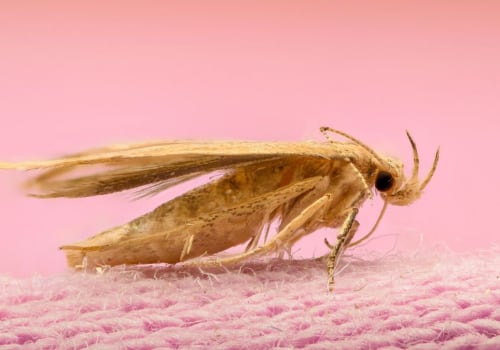
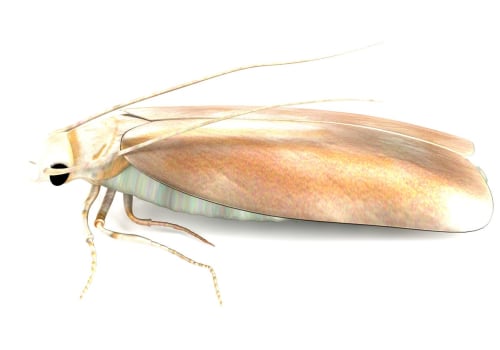
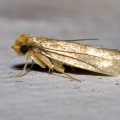
Moth infestations can be a frustrating and damaging problem for homeowners, especially for those facing financial constraints. These pests, often overlooked, can wreak havoc on clothing, fabrics, and stored food items. Understanding what a moth infestation entails is the first step in effectively managing and preventing these unwelcome guests from taking over your living space. There are several types of moths that commonly invade homes, with the most notorious being the Moth infestations can be a frustrating and damaging problem for homeowners, especially for those facing financial constraints. These pests, often overlooked, can wreak havoc on clothing, fabrics, and stored food items. Understanding what a moth infestation entails is the first step in effectively managing and preventing these unwelcome guests from taking over your living space. There are several types of moths that commonly invade homes, with the most notorious being the clothes moth and the pantry moth. The clothes moth, scientifically known as Tineola bisselliella, is particularly drawn to natural fibers such as wool, silk, and cotton.
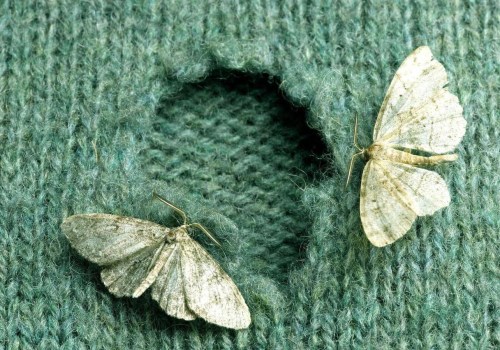
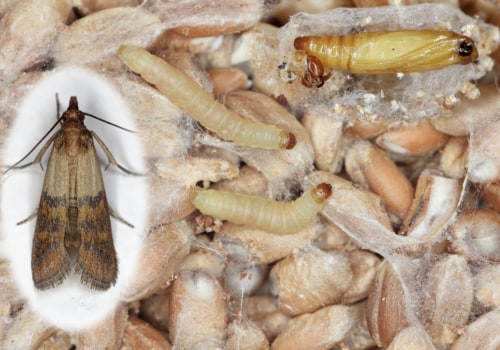
On the other hand, the pantry moth, or Plodia interpunctella, is attracted to grains and other food products. Recognizing which type of moth you are dealing with can help tailor your approach to eradication. Identifying the signs of a moth infestation is crucial for early intervention. Look for small holes in clothing or fabric, which indicate that larvae have been feeding. In pantries, you may notice webbing or cocoons in food packages, as well as adult moths fluttering around.
Additionally, finding frass—tiny droppings left behind by larvae—can also signal an infestation. Being vigilant about these signs can save you from extensive damage and costly replacements. So why do moths invade our homes? The primary reason is the availability of food sources and suitable environments for breeding. Moths thrive in dark, undisturbed areas where they can lay their eggs without disturbance. Cluttered spaces, such as closets filled with old clothes or pantries stocked with open food containers, provide ideal conditions for these pests to flourish.
By understanding the nature of moth infestations and their habits, you can take proactive steps to protect your home from these persistent intruders.
The Importance of Regular Cleaning
Maintaining a clean and organized home is not just about aesthetics; it plays a vital role in preventing moth infestations. Regular cleaning is essential for several reasons, particularly when it comes to pest control. Moths are attracted to cluttered, dirty environments where they can find food sources and breeding grounds. By understanding the importance of cleanliness, you can take proactive steps to deter these pests from invading your space.One of the primary reasons regular cleaning is crucial for pest control is that it eliminates potential food sources for moths.Moths are particularly drawn to natural fibers found in clothing, carpets, and upholstery, as well as food items stored in pantries. By routinely cleaning these areas, you can significantly reduce the likelihood of attracting moths. Here are some specific areas that require your attention:
- Closets: Regularly empty your closets and clean the shelves, walls, and floors. Pay special attention to any clothing that may have been stored for long periods.
Consider using a solution of equal parts water and vinegar to wipe down surfaces, as this can help repel moths.
- Drawers: Remove all items from drawers and vacuum thoroughly. This not only removes any hidden eggs or larvae but also allows you to assess what you truly need. Using drawer organizers can help keep items tidy and prevent clutter.
- Pantries: Moths are often attracted to food sources, so it’s essential to keep your pantry clean and organized. Regularly check for expired items and wipe down shelves with vinegar or a natural cleaning solution.
Store food in airtight containers to further deter moths.
You can create a simple cleaning spray by mixing a few drops of these oils with water in a spray bottle.In conclusion, regular cleaning is a fundamental aspect of preventing moth infestations. By maintaining cleanliness in key areas of your home and utilizing natural repellents, you can create an environment that is less inviting to moths. This proactive approach not only protects your belongings but also contributes to a healthier living space for you and your family.
Decluttering: A Key Strategy Against Moths
Decluttering is not just about creating a more organized living space; it is a vital strategy in the fight against moth infestations. Moths thrive in cluttered environments where they can easily hide and breed.By reducing clutter, you significantly decrease the number of potential hiding spots for these pests, making your home less inviting to them.Here are some effective decluttering tips to help you minimize the risk of moth infestations:
- Assess Your Spaces: Start by evaluating areas in your home that are prone to clutter, such as closets, drawers, and storage rooms. Identify items that you no longer use or need.
- Sort and Categorize: Create categories for your belongings: keep, donate, recycle, or discard. This will help you make informed decisions about what to keep and what to let go.
- Use Clear Storage Bins: For items you decide to keep, use clear storage bins with tight-fitting lids. This not only keeps your belongings organized but also prevents moths from accessing them.
- Regularly Rotate Seasonal Items: If you store seasonal clothing or decorations, make it a habit to rotate these items regularly.
This allows you to inspect them for any signs of moth activity.
- Maintain a Clean Environment: After decluttering, ensure that the areas are thoroughly cleaned. Vacuum carpets and upholstery where moth eggs may be hiding. Pay special attention to corners and under furniture.
Moths are attracted to natural fibers found in clothing and textiles; therefore, keeping these items stored properly minimizes their exposure. Second, a clean and organized space makes it easier to spot any signs of infestation early on, allowing for prompt action before the problem escalates.In addition to these practical tips, consider implementing a regular decluttering schedule. Whether it’s monthly or seasonally, having a routine will help maintain an organized space and keep moths at bay. Remember that prevention is key; by staying proactive with your decluttering efforts, you can create an environment that is less conducive to moth infestations.
Cleaning Techniques to Combat Moths
To effectively combat moth infestations, employing specific cleaning techniques is essential.These methods not only help eliminate existing moths but also deter future infestations by creating an unwelcoming environment for these pests. Below are some effective cleaning techniques tailored for various areas in your home.
Closets
Closets are prime locations for moth infestations due to the presence of clothing and other fabric items. To clean your closets effectively:- Empty the Closet: Start by removing all items from your closet. This allows you to inspect each piece of clothing for signs of moth damage or eggs.
- Vacuum Thoroughly: Use a vacuum cleaner with a hose attachment to clean the shelves, corners, and floor of the closet.
Pay special attention to any cracks or crevices where moths might hide.
- Natural Cleaning Solution: Wipe down surfaces with a mixture of equal parts water and white vinegar. This solution not only cleans but also helps repel moths due to its strong scent.
- Store Properly: Consider using airtight containers for seasonal clothing and items that are not frequently used. This prevents moths from accessing them.
Drawers
Drawers can also harbor moths, especially if they contain fabric items or food remnants. Here’s how to clean them:- Clear Out Contents: Remove everything from the drawers and inspect each item for signs of infestation.
- Vacuum and Wipe: Vacuum the interior of the drawers thoroughly, then wipe down with a natural cleaning spray made from essential oils like lavender or cedarwood, which are known to repel moths.
- Organize Wisely: Use drawer organizers to keep items neat and prevent overcrowding, which can create hiding spots for moths.
Pantries
Moths are often attracted to food sources, making pantries another critical area to clean:- Regular Inspections: Frequently check your pantry for any signs of moth activity, such as webbing or larvae in food packages.
- Airtight Storage: Store all food items in airtight containers to prevent access by moths.
This is particularly important for grains, cereals, and dried fruits.
- Cleansing Routine: Clean pantry shelves with a vinegar solution regularly to eliminate any potential food residues that could attract moths.
Preventive Measures Beyond Cleaning and Decluttering
While regular cleaning and decluttering are vital for controlling moth infestations, there are additional preventive measures that can significantly enhance your efforts. By implementing a multi-faceted approach, you can create an environment that is less inviting to these pests.While regular cleaning and decluttering are vital for controlling moth infestations, there are additional preventive measures that can significantly enhance your efforts. By implementing a multi-faceted approach, you can create an environment that is less inviting to these pests.Sealing Entry Points
Moths can easily infiltrate your home through tiny cracks and crevices. To fortify your defenses against these unwelcome guests, it’s essential to inspect your living space for potential entry points.Here are some effective strategies:
- Inspect Windows and Doors: Check for gaps around window frames and door edges. Use weather stripping or caulk to seal any openings that could allow moths to enter.
- Examine Vents and Ducts: Ensure that vents and ducts are properly screened. This will not only help keep moths out but also improve your home’s overall air quality.
- Close Gaps in Walls: Look for cracks in walls, especially in basements or attics. Fill these gaps with appropriate sealants to prevent moths from finding their way inside.
Utilizing Natural Repellents
In addition to sealing entry points, using natural repellents can be an effective way to deter moths from invading your home.Here are some popular options:
- Cedar Products: Cedar wood is known for its natural ability to repel moths. Consider using cedar blocks or chips in closets and drawers to keep moths at bay.
- Essential Oils: Certain essential oils, such as lavender, peppermint, and eucalyptus, are effective moth repellents. You can create a simple spray by mixing a few drops of essential oil with water in a spray bottle and applying it to areas prone to moth activity.
- Dried Herbs: Sachets filled with dried herbs like rosemary or thyme can also serve as natural deterrents. Place these sachets in storage areas or closets where clothing is kept.
Additional Strategies
Beyond sealing entry points and using repellents, consider these additional strategies to further safeguard your home against moth infestations:- Airtight Storage: Store clothing and textiles in airtight containers or vacuum-sealed bags, especially items that are not frequently used.
This will prevent moths from accessing potential breeding grounds.
- Regular Inspections: Conduct routine checks of your closets, drawers, and storage areas for any signs of moth activity, such as webbing or larvae. Early detection is key to preventing a larger infestation.
- Maintain a Clean Environment: In addition to decluttering, ensure that food items are stored properly in sealed containers. Moths are attracted to food sources, so keeping your pantry organized and clean is crucial.
Identifying and Addressing Infestations Early
Identifying a moth infestation early is crucial for effective control and prevention. Moths can cause significant damage to clothing, fabrics, and stored food items if left unchecked.Here are some key indicators to help you recognize the early signs of a moth infestation:
- Visible Moths: The most obvious sign is the sighting of adult moths. Common household moths, such as the clothes moth and pantry moth, are typically small, with a wingspan of about half an inch. Clothes moths are often golden or tan, while pantry moths may appear grayish-brown.
- Larvae: Moth larvae are often found in areas where they feed. These caterpillar-like creatures can be white or cream-colored and may be seen crawling on fabrics or near food sources.
- Webbing: Look for silk webbing in corners of closets, drawers, or pantry shelves.
This webbing is created by larvae as they feed and can indicate an active infestation.
- Damage to Fabrics: Check your clothing and textiles for holes or frayed edges. Moths are known to feed on natural fibers like wool, silk, and cotton, leaving behind small holes.
- Food Contamination: In the case of pantry moths, inspect food items for signs of contamination. Look for clumped grains, webbing in food packages, or larvae in flour and cereals.
- Isolate Affected Items: Remove any infested clothing or food items from your home immediately. Seal them in plastic bags to prevent the spread of larvae or eggs.
- Thorough Cleaning: Clean the affected areas meticulously.
Vacuum closets, drawers, and pantry shelves to remove any eggs or larvae. Dispose of the vacuum bag outside your home to prevent re-infestation.
- Wash Fabrics: Wash all clothing and textiles that may have come into contact with moths in hot water. For delicate items, consider dry cleaning as an alternative.
- Use Traps: Set up pheromone traps specifically designed for moths in areas where you’ve noticed activity. These traps can help monitor and reduce the adult population.
- Consult Professionals: If the infestation persists despite your efforts, consider contacting a pest control professional who specializes in moth removal for more comprehensive treatment options.
Conclusion: Maintaining a Moth-Free Home
In conclusion, maintaining a home free from moth infestations requires a proactive approach that emphasizes the importance of regular cleaning and decluttering.Throughout this article, we have explored various strategies that not only help in preventing these pesky pests but also contribute to a healthier living environment.
Regular Cleaning:
One of the most effective ways to combat moth infestations is through consistent cleaning practices. By routinely vacuuming carpets, rugs, and upholstery, you can eliminate any hidden moth eggs or larvae. Additionally, washing clothing and linens in hot water can kill any potential pests lurking in your fabrics. Remember to pay special attention to areas like closets and storage spaces where moths are likely to thrive.
Decluttering:
Clutter serves as an ideal breeding ground for moths, providing them with numerous hiding spots.
By regularly decluttering your home, you not only reduce the chances of a moth infestation but also create a more organized and pleasant living space. Consider donating or discarding items you no longer use, and store seasonal clothing in airtight containers to prevent moths from accessing them.
Natural Deterrents:
Incorporating natural deterrents such as essential oils or moth repellent products can further enhance your efforts in keeping moths at bay. Using lavender sachets or cedar chips in closets and drawers can create an unwelcoming environment for these pests.Ultimately, the key to maintaining a moth-free home lies in vigilance and consistency. By integrating regular cleaning and decluttering into your routine, you not only safeguard your belongings but also foster a healthier atmosphere for you and your family.
Don’t wait for a moth infestation to take action; make these practices a part of your lifestyle today for long-term success.