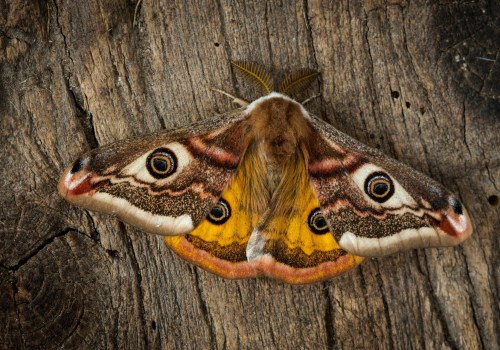
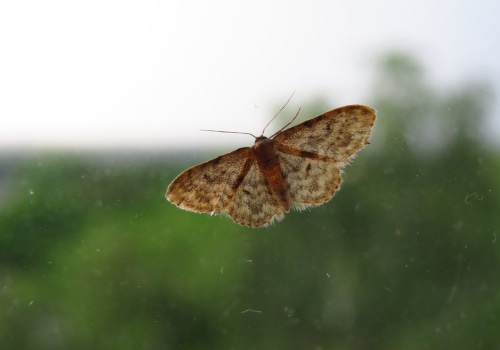
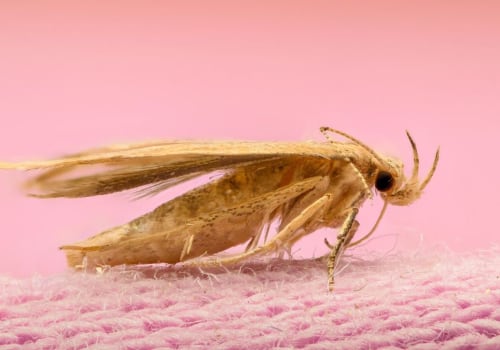
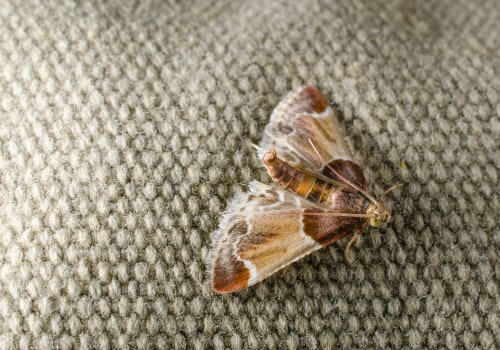
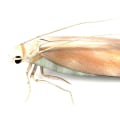
Moth infestations can be a frustrating and damaging problem for homeowners. These pests, often overlooked due to their seemingly harmless nature, can cause significant destruction to clothing, upholstery, and other fabric-based items in your home. Understanding the intricacies of a Moth infestations can be a frustrating and damaging problem for homeowners. These pests, often overlooked due to their seemingly harmless nature, can cause significant destruction to clothing, upholstery, and other fabric-based items in your home. Understanding the intricacies of a moth infestation is essential for effective prevention and control. By familiarizing yourself with the types of moths that commonly invade homes, the signs of an infestation, and the lifecycle of these insects, you can take proactive measures to protect your belongings.There are several species of moths that are notorious for invading households.
The most common include the clothes moth (Tineola bisselliella), which is particularly fond of natural fibers like wool and silk, and the pantry moth (Plodia interpunctella), which infests stored food products. Each type has its own unique behaviors and preferences, making it crucial to identify which species you are dealing with in order to tailor your approach effectively.Recognizing the signs of a moth infestation is vital for early intervention. Look for small holes in clothing or fabrics, webbing in corners or on shelves, and the presence of tiny larvae or cocoons. Additionally, adult moths may be seen fluttering around light sources or resting on walls.
These indicators can help you determine whether you have a problem that needs addressing before it escalates into a more severe infestation.The lifecycle of moths consists of four stages: egg, larva (caterpillar), pupa, and adult. Understanding this lifecycle is key to effective control measures. Moths lay eggs in hidden areas where larvae can find food upon hatching. The larval stage is when most damage occurs as they feed on fabrics or stored goods.
By disrupting this lifecycle through targeted traps and preventive measures, you can significantly reduce the risk of a full-blown infestation.
The Dangers of Moth Infestations
Moths may appear harmless, but a moth infestation can lead to significant damage in your home. These pests are notorious for their destructive feeding habits, particularly during their larval stage. The larvae of common moth species, such as the clothes moth and pantry moth, are the primary culprits behind the damage.Damage Caused by Moths
- Clothing and Fabrics: Moths are particularly attracted to natural fibers like wool, silk, and cotton. They lay their eggs in these materials, and once the larvae hatch, they begin to feed on the fibers.
This can result in unsightly holes and irreparable damage to your favorite garments.
- Stored Goods: Pantry moths can infest food items such as grains, cereals, and dried fruits. Their presence not only contaminates food but also leads to waste as infested items must be discarded.
- Upholstery and Carpets: Moths can also target upholstered furniture and carpets made from natural fibers. The damage can be extensive, leading to costly repairs or replacements.
Health Risks of Moths
While moths themselves do not pose direct health risks to humans, their presence can lead to secondary issues. For instance, the larvae can trigger allergic reactions in sensitive individuals.
Additionally, if pantry moths infest food supplies, consuming contaminated food can lead to gastrointestinal discomfort.
Economic Impact of Moth Infestations
The economic implications of a moth infestation can be substantial. Homeowners may face costs related to:
- Replacement of Damaged Items: The need to replace clothing, linens, or food items can quickly add up.
- Pest Control Services: Hiring professionals to eliminate a moth infestation can be an added expense that many homeowners may not anticipate.
- Preventive Measures: Investing in preventive solutions such as traps or natural repellents is essential for long-term management but adds to overall costs.
Why Choose Homemade Moth Traps?
When it comes to tackling a moth infestation, many homeowners are often faced with the dilemma of choosing between commercial pest control products and homemade solutions. While store-bought traps may seem convenient, there are numerous compelling reasons to opt for homemade moth traps instead.Here are some of the key benefits:
- Safety for Your Family and Pets: One of the most significant advantages of homemade moth traps is their safety. Many commercial products contain harsh chemicals that can pose health risks to children and pets. In contrast, homemade traps utilize natural ingredients that are non-toxic, making them a safer choice for households.
- Cost-Effectiveness: Homemade moth traps are incredibly budget-friendly. The ingredients required to create these traps, such as vinegar, sugar, and dish soap, are typically found in most kitchens or can be purchased at a low cost.
This affordability allows you to set up multiple traps throughout your home without breaking the bank.
- Environmental Benefits: In an age where environmental consciousness is paramount, homemade moth traps offer an eco-friendly alternative to chemical solutions. By using natural ingredients, you reduce your carbon footprint and minimize the impact on the environment. Additionally, many commercial products come in plastic packaging that contributes to waste; homemade traps can often be made using recyclable materials.
- Customization: Another advantage of homemade moth traps is the ability to customize them according to your specific needs. You can experiment with different attractants or trap designs based on the type of moths you are dealing with.
This flexibility allows for a more targeted approach in combating a moth infestation.
- Effectiveness: Homemade traps can be just as effective as their commercial counterparts when used correctly. By regularly replacing the traps and placing them in strategic locations, you can significantly reduce the moth population in your home.
Essential Ingredients for Homemade Moth Traps
Creating effective homemade moth traps can be both simple and economical, utilizing common household ingredients that are safe and non-toxic. Below, we outline some essential ingredients that can be used to craft your own moth traps, as well as natural repellents that can enhance their effectiveness.- Apple Cider Vinegar: This ingredient is a powerful attractant for moths.
Its sweet scent draws them in, making it an ideal base for your traps. Simply mix it with other ingredients to create a potent moth-catching solution.
- Sugar: Adding sugar to your trap mixture not only enhances the scent but also provides a food source that lures moths into the trap. A tablespoon or two mixed with vinegar can significantly increase the trap's effectiveness.
- Dish Soap: A few drops of dish soap are crucial for breaking the surface tension of the liquid in your trap. This ensures that once the moths land on the mixture, they cannot escape, effectively trapping them inside.
- Water: Water can be used to dilute the vinegar and sugar mixture, making it easier to handle and ensuring that the ingredients blend well together.
- Cedarwood Essential Oil: Known for its natural repellent properties, cedarwood oil can be added to your traps or used in conjunction with them.
Its scent not only deters moths but also leaves a pleasant aroma in your home.
- Lavender Essential Oil: Similar to cedarwood, lavender is another natural repellent that can be used to keep moths at bay. You can mix a few drops into your trap or use it in a spray bottle to mist areas where moths are likely to enter.
- Jars: Mason jars or any glass containers work well for creating traps. Their transparent nature allows you to see when they have caught moths.
- Cardboard: For sticky traps, cardboard can be cut into various shapes and sizes. Coating it with a sticky substance will help capture moths effectively.
Regularly refreshing your traps and using these natural ingredients will ensure a moth-free environment in your home.
How to Make Different Types of Homemade Moth Traps
Creating your own homemade moth traps is a straightforward process that can significantly help in managing a moth infestation. Below, we will explore two popular types of traps: jar traps and sticky traps. Each method is effective and can be made with common household items.DIY Jar Trap Instructions
A jar trap is an excellent way to catch adult moths. Here’s how to make one:- Gather Your Materials: You will need a clean mason jar, apple cider vinegar, sugar, and dish soap.
- Mix the Ingredients: Pour 1/4 cup of apple cider vinegar into the jar.
Add 1 tablespoon of sugar to the vinegar. The sugar will enhance the scent, making it more attractive to moths.
- Add Dish Soap: Add a few drops of dish soap to the mixture. This will break the surface tension of the liquid, ensuring that any moths that land on it will be trapped.
- Placement: Position the jar in areas where you have noticed moth activity, such as closets, attics, or near windows. The scent of the vinegar and sugar will lure moths into the jar.
- Monitor and Replace: Check the jar regularly and replace the mixture every few days to maintain its effectiveness.
Sticky Trap Methods
Sticky traps are another effective way to catch moths without using chemicals.Here’s how to create your own:
- Materials Needed: You will need cardboard or paper, a sticky substance (like honey or petroleum jelly), and scissors.
- Cut Your Base: Cut a piece of cardboard or paper into a rectangular shape, about 6 inches by 8 inches. This will serve as your trap base.
- Apply Sticky Substance: Coat one side of the cardboard with your chosen sticky substance. Ensure an even layer for maximum effectiveness.
- Strategic Placement: Place your sticky trap in areas where moths are likely to be found, such as near light sources or in your pantry. Moths are attracted to light and food sources, making these locations ideal.
- Check Regularly: Inspect your traps frequently and replace them as needed.
A well-maintained trap can significantly reduce moth populations in your home.
Using Essential Oils as Moth Deterrents
Essential oils have gained popularity as a natural solution for various household issues, including moth infestations. These concentrated plant extracts not only provide pleasant aromas but also possess properties that can effectively deter moths. By incorporating essential oils into your pest control strategy, you can enhance the effectiveness of your homemade moth traps while keeping your home free from harmful chemicals.Among the most effective essential oils for repelling moths are lavender and cedarwood.Both of these oils have strong scents that moths find unappealing, making them excellent choices for natural repellents.
Lavender Oil
Lavender oil is well-known for its calming properties, but it also serves as a powerful moth deterrent. To create a lavender spray, follow these simple steps:- Combine 10-15 drops of lavender essential oil with 1 cup of water in a spray bottle.
- Add a teaspoon of natural alcohol or witch hazel to help the oil mix with water.
- Shake well before each use and spray in areas where moths are likely to enter, such as closets, drawers, and around windows.
Cedarwood Oil
Cedarwood oil is another excellent option for repelling moths. Its woody scent is particularly effective in preventing these pests from infesting your clothing and fabrics. To use cedarwood oil:- Add 10-15 drops of cedarwood essential oil to a cotton ball or small piece of fabric.
- Place the scented cotton balls in your closets, drawers, and storage bins.
- Replace the cotton balls every few weeks to maintain their effectiveness.
Combining Essential Oils with Homemade Traps
You can also enhance the effectiveness of your homemade moth traps by adding essential oils directly to them.For example, when preparing a jar trap with apple cider vinegar:
- Add 5-10 drops of lavender or cedarwood oil to the mixture before sealing the jar.
- The added scent will attract more moths while simultaneously repelling them from other areas of your home.